

Posts tagged The Container Store
Here Are 5 Most Interesting and Best Fresh Start Discoveries – v53

Enjoy the latest release (v53) of the “What’s Interesting?” series, which features my most recent finds that inspire, spark curiosity, and connect to organizing and life balance. These unique, fresh start discoveries reflect this month’s blog theme.

You are an engaged, vibrant, and generous group. I am deeply grateful for your ongoing presence, positive energy, and contributions to this community.

I look forward to your participation and further contributions to the collection I curated.

What do you find interesting?


What’s Interesting? – 5 Best Fresh Start Discoveries

1. Interesting Read – Fresh Start Goals
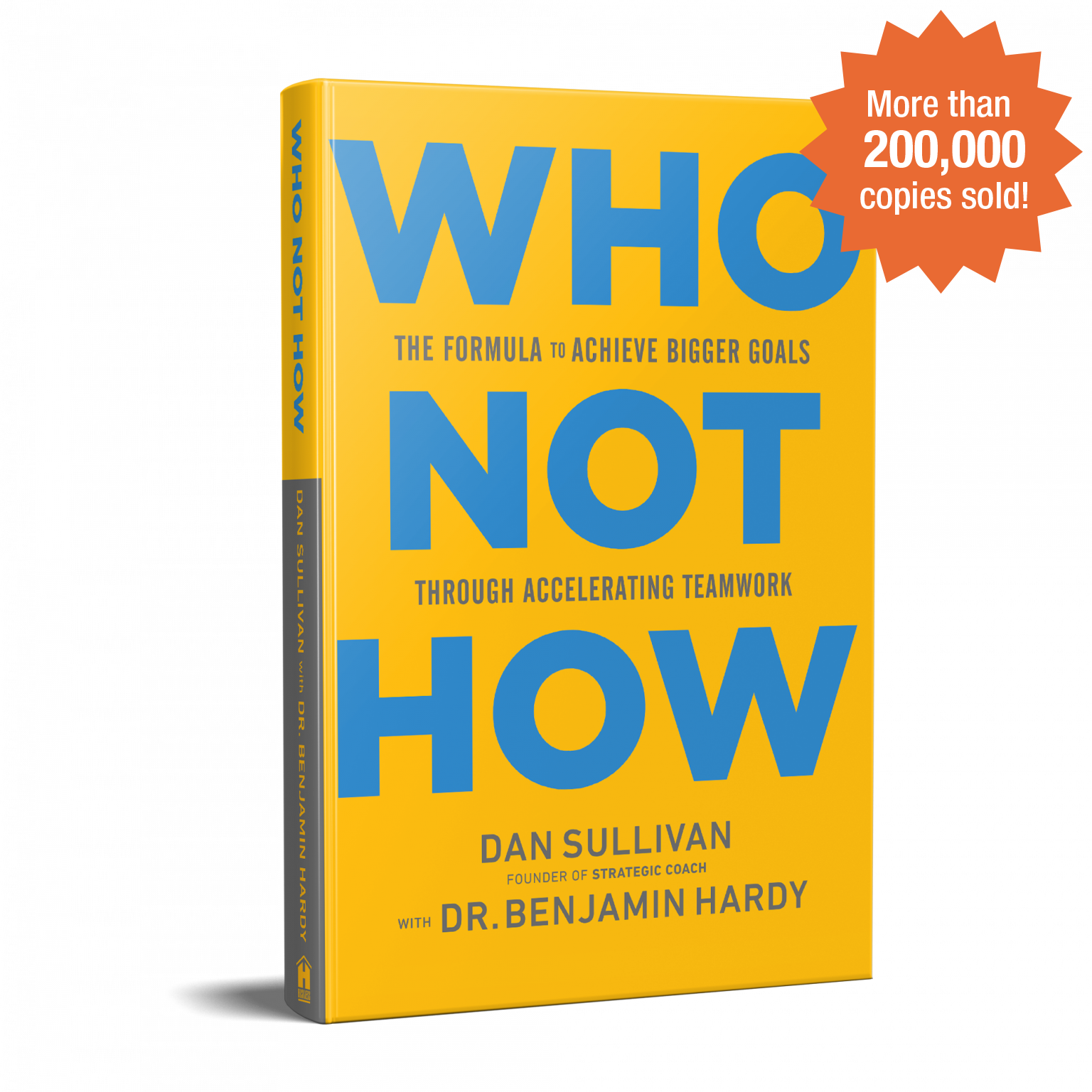
Bigger isn’t always better. Yet if you want to strive for an audacious goal this year, Dan Sullivan, coach and author of Who Not How – The Formula to Achieve Bigger Goals Through Accelerating Teamwork, has a way to get there.

This philosophy hinges on changing the questions you ask. Stop asking, “How can I do this?” Forget working in isolation and doing everything yourself. Instead, Sullivan teaches you to ask, “Who can do this for me?”

He advocates focusing on the “whos in your life that give you the perspectives, resources, and ability to go beyond what you could do alone.” Replace “How can I accomplish this?” with “Who can help me achieve this?”

If you’re feeling frustrated and stuck, it could be the ideal time to build your ‘who’ team.


2. Interesting Experience – Fresh Start ‘Party’

Do you have any “boring tasks” you’re procrastinating on? If so, you are not alone. Thanks to one of my clients, I learned about a Business Insider article that describes a new trend offering a fun solution to this challenge.

Instead of staying stuck and alone while trying to get things done, consider hosting an “admin night” party, as Business Insider editor Tess Martinelli did. She invited her friends over to work on their to-do lists or anything that was causing mind clutter, while also having time to socialize.

She kept things casual and as “low effort” as possible. While there were few rules, Marinelli set several parameters to help make the evening flow better, including:

  • Dress comfortably.

  • Bring your own snacks.
    Provide a beverage (optional).

  • Give some structure, such as working for 30 minutes and socializing or resting for 10 minutes. Repeat that cycle two or three times.

  • After each “round,” talk about what you accomplished.


3. Interesting Article – Fresh Start Decluttering
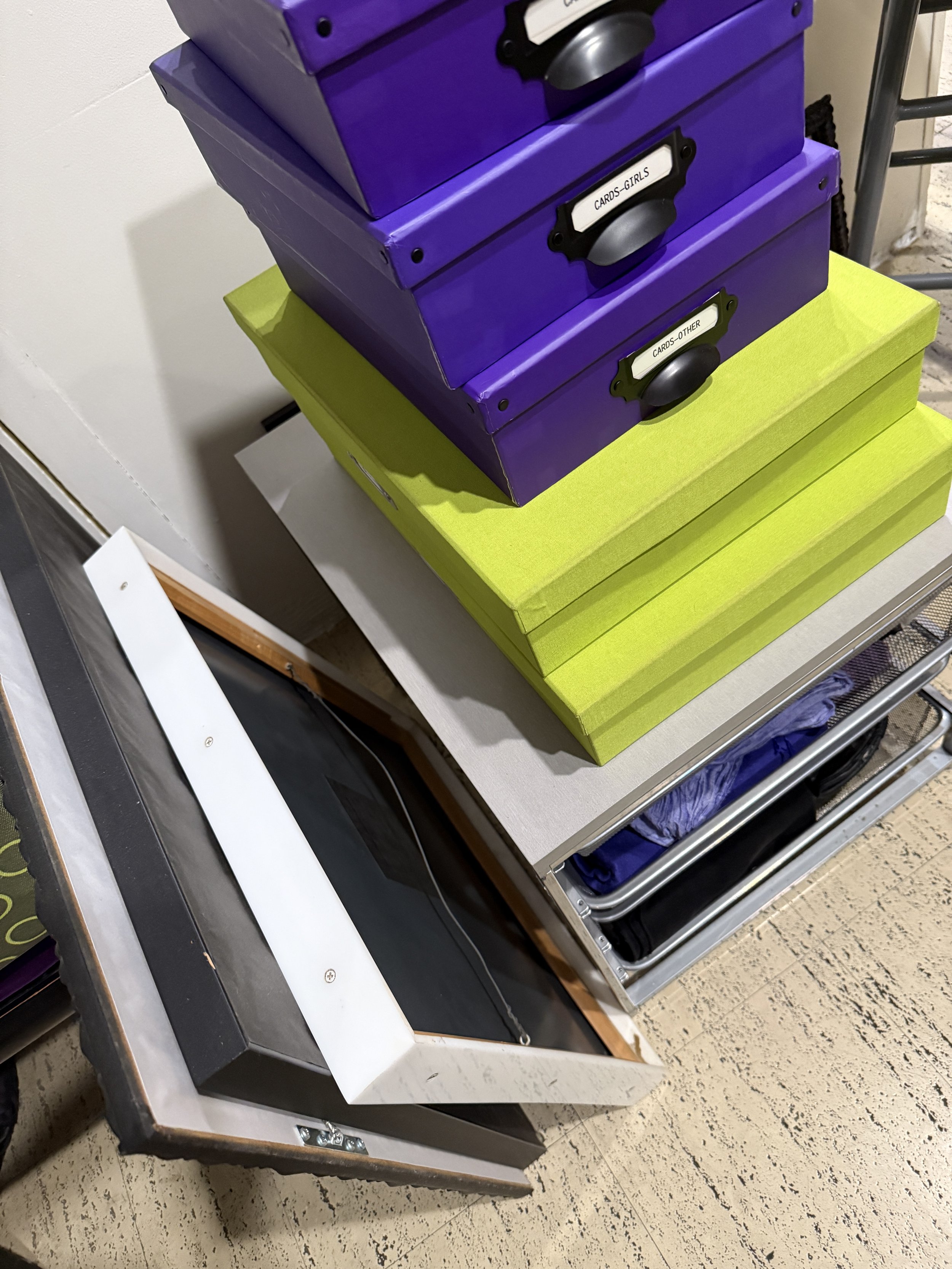
One of the top ten New Year’s resolutions is to be more organized. An essential part of getting organized is decluttering. This involves letting go of:

  • things that have overstayed their welcome

  • no longer support your current reality, or

  • don’t want or need.

In The Washington Post article “How to reduce visual clutter for a calmer, more functional home,” the case is made for how taxing visual clutter can be on the brain. My clients often describe their clutter (physical or visual) as paralyzing or overwhelming their thoughts and actions.

Corey Pence from The Container Store defines visual clutter as an “overwhelming or excessive amount of visual elements in a space that make it difficult to focus on important information or executing tasks.” Clutter can also make it hard to feel calm and relaxed. Imagine a bedroom with clothing piled everywhere, or a living room with books, toys, and dishes strewn about.

The article suggests many ways to eliminate visual clutter, such as:

  • choosing furniture that encloses objects, such as a nightstand with a drawer instead of an open shelf

  • editing routinely

  • designating a home for objects

  • using coordinated bins on open shelves

  • carefully curating decorative objects, with an emphasis on having fewer

For a great fresh start, declutter until you find that sweet spot for the level of visual clutter your brain can handle.


4. Interesting Product – Fresh Start Planning
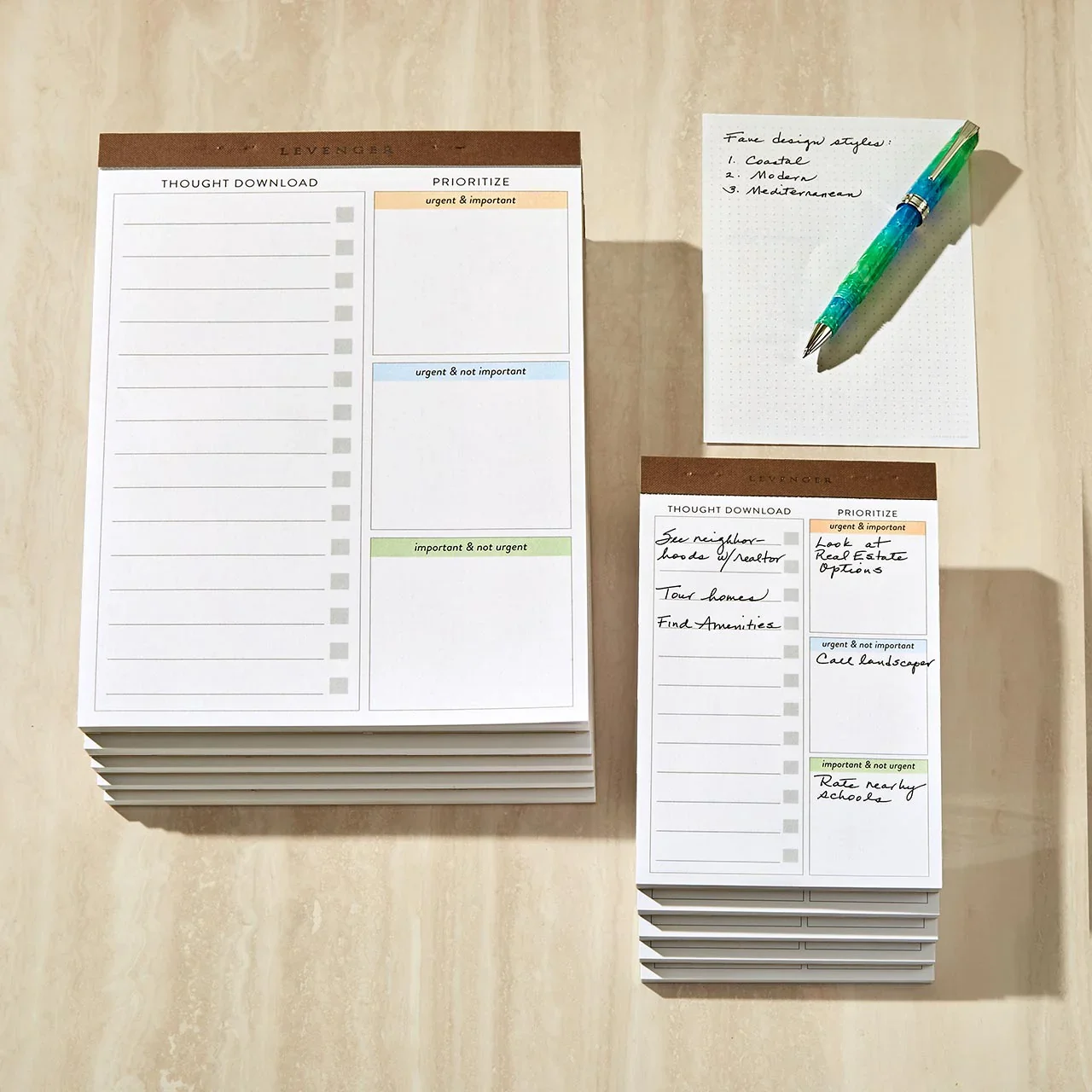
My go-to source for paper pads is Levenger. Their designs are streamlined, and the paper is smooth and easy to write on. If you’re looking for a new way to capture and prioritize your thoughts, check out Levenger’s Think and Plan Priority Manager Pad.

The pad comes in two sizes with two columns and four sections. The left column is great for brainstorming and list-making. It includes:

  • A ruled checklist

The right column is for prioritizing tasks using the Eisenhower method. It has three boxed sections for tasks:

  • Urgent and important

  • Urgent and not important

  • Important and not urgent

Download your brain, sort your to-dos, and give yourself an organized way to focus on your new beginning.


For a great fresh start, declutter until you find that sweet spot for the level of visual clutter your brain can handle.
— Linda Samuels, CPO-CD®, CVOP™


5. Interesting Thought – Fresh Start Magic
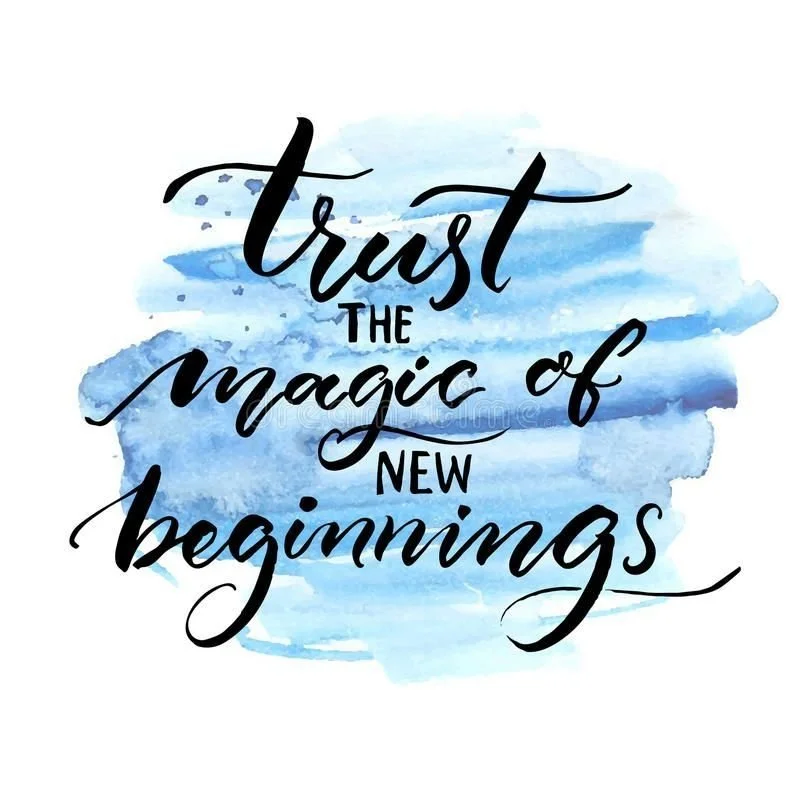
There’s something magical about fresh starts and new beginnings. You might feel hopeful, curious, excited, eager, joyful, empowered, or inspired. However, I’ve heard from many people recently that they’re having a very different experience. With the fresh start of the new year, they’re feeling anxious, apprehensive, pressured, disoriented, overwhelmed, or stuck.

Believe me, I get it. I’ve felt all of these ways at different points. On the one hand, I embrace and love a clean slate. It’s an opportunity for a reset and reimagining. Some years, like this past year, I just wasn’t ready to do ‘new.’ Instead, I was in the thick of finishing projects from the year, which overlapped with the time I typically review and plan.

Wherever you are right now, consider these possibilities:

  • If you’re ready, let the wonder of a new year help you move forward.

  • If you’re not ready, be gentle with yourself and ease the pressure to make big new plans for now.

Stay open to activating a fresh start (and its magical powers) at any time: a new day, month, or season.


The Fresh Start Advantage

There’s still time to make this first month of the new year work for you. Lean into the energy and newness of this season. Use the clean slate to your advantage.

Which of these discoveries resonates most with you? Which would you like to add? I’d love to hear your thoughts and invite you to join the conversation.


How Can I Help?
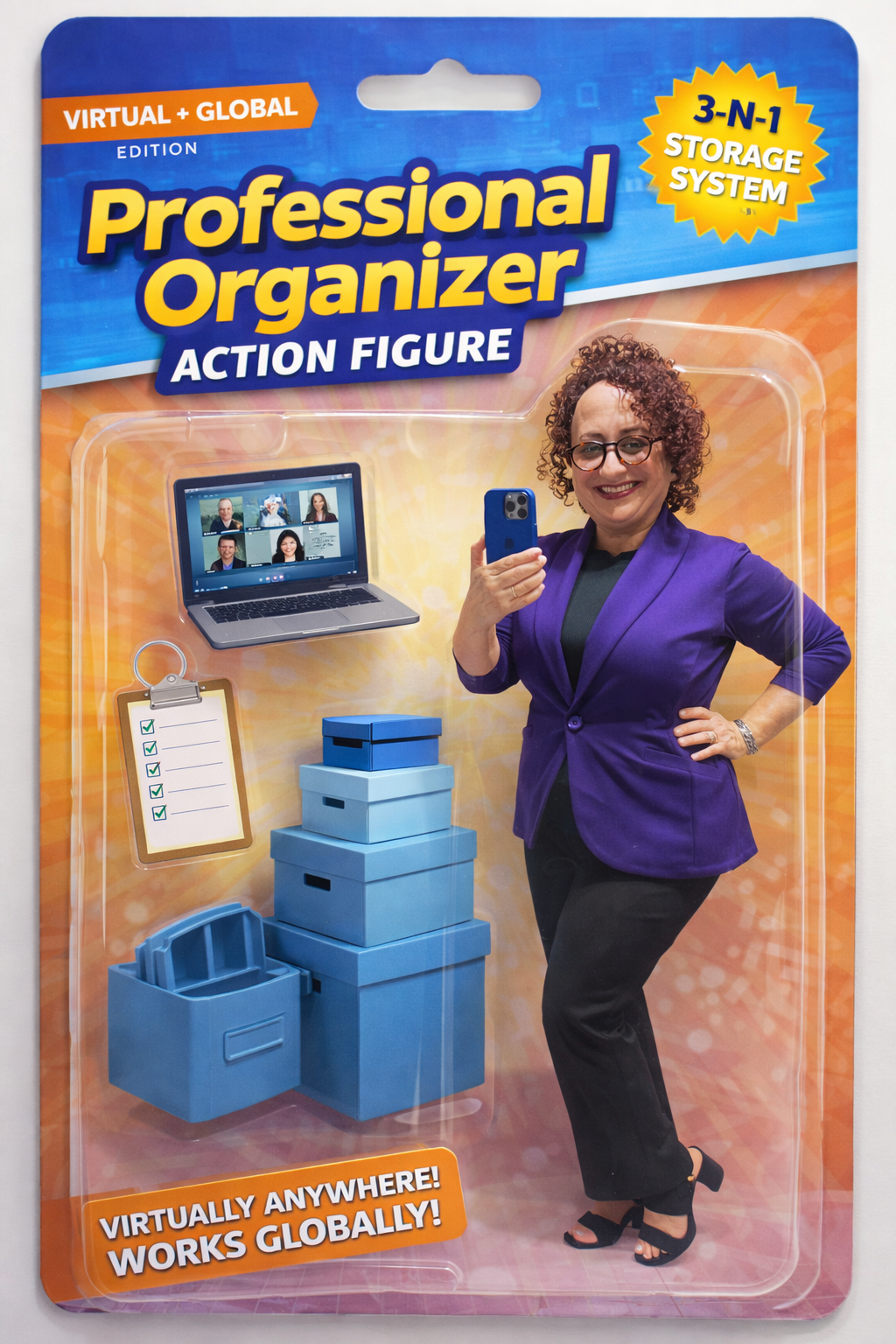
Do you feel overwhelmed, stuck, or disorganized? I’m here to help. Virtual organizing is an extraordinary path forward – Local feel with a global reach.

Let’s talk. I’m easy to reach.

Getting organized is possible, especially with a fresh start and compassionate support.


Here Are 5 Most Interesting and Best Happy Human Discoveries – v52

Enjoy the latest release (v52) of the “What’s Interesting?” series, which features my most recent finds that inform, inspire, and connect to organizing and life balance. These unique, wonderfully human discoveries reflect this month’s blog theme.

You are an engaged, vibrant, and generous group. I am deeply grateful for your ongoing presence, positive energy, and contributions to this community. I look forward to your participation and further contributions to the collection I’ve sourced.

What do you find interesting?


What’s Interesting? – 5 Best Happy Human Discoveries

1. Interesting Workshop – Human Organizing

Are you feeling burdened and overwhelmed by clutter or disorganization? If you answered, “yes,” you’re not alone.

Research shows that cluttered spaces often contribute to stress, fatigue, anxiety, and even depression. But there’s good news—help is here!

If you’re ready to explore a kind, compassionate, and more human approach to decluttering and organizing, you’ll love this! Join me, Linda Samuels, Professional Organizer, for an engaging and transformative workshop7 Easy Ways to Practice Mindful Organizing.

One workshop with your choice of two dates:

  • December 2nd at 7:00-8:00pm Eastern or

  • December 4th at Noon-1:00pm Eastern

By the end of the one-hour Zoom workshop, you’ll have strategies for immediate change. You will:

  • Gain valuable insights about gentle organizing.

  • Learn seven mindful organizing practices.

  • Receive personalized support.

This is a great opportunity to prepare for the new year. When you bring more mindfulness and purpose to organizing, you can create calm, clarity, and breathing room. Reserve your spot today!


2. Interesting Resource – Human Helping

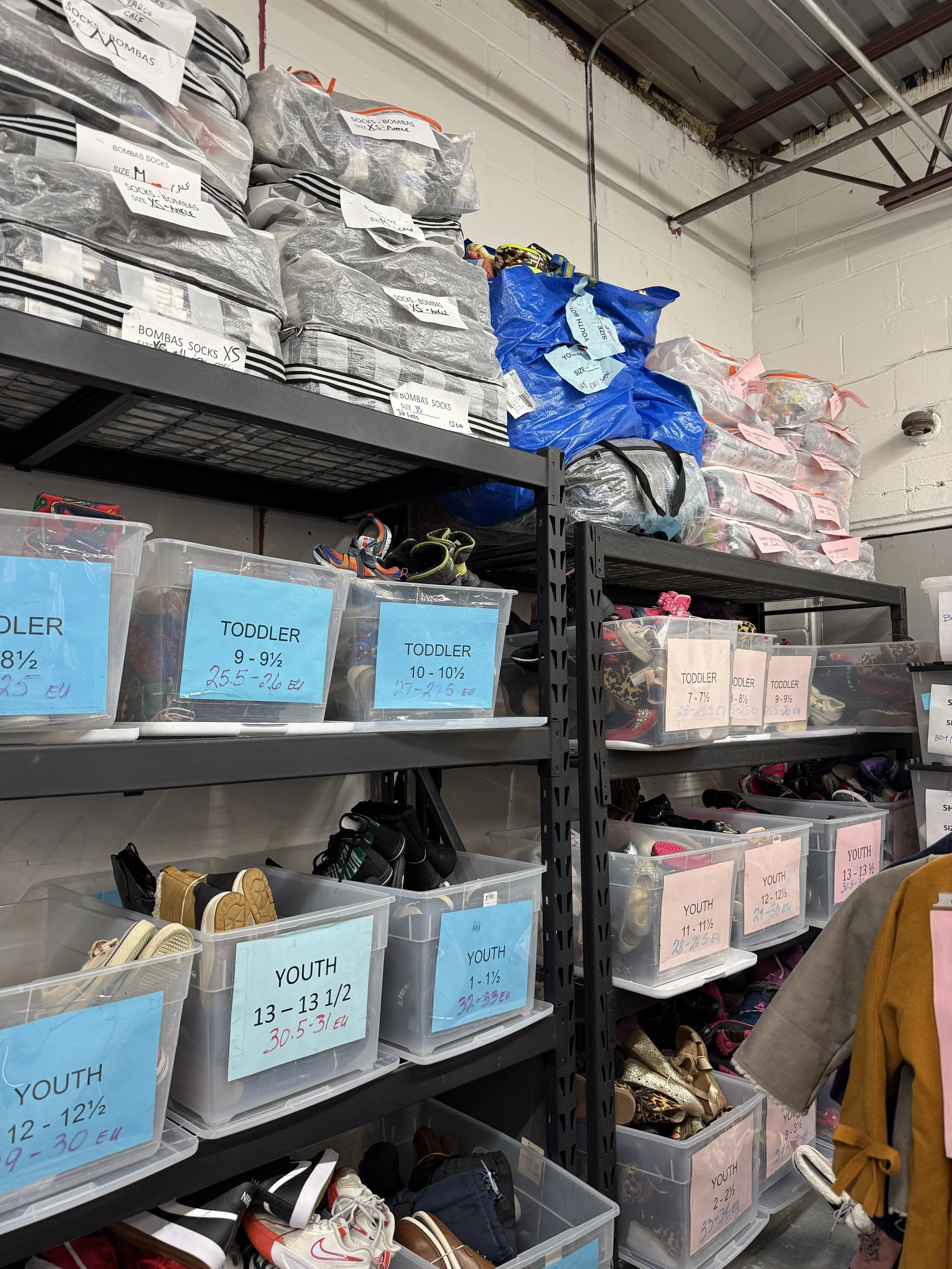
Last month, I went on a field trip with some of my Westchester NAPO Neighborhood group organizing colleagues to The Sharing Shelf in Port Chester, NY.

This remarkable nonprofit provides clothing, school supplies, and other essential necessities, including new socks, shoes, underwear, and hygiene products, to children and teens in Westchester County.

They offer a Wardrobe Pack, which includes a week’s worth of seasonally appropriate clothing tailored to a child’s needs. They also have a Teen Boutique, a free store where teens can “shop and select their own clothing with privacy and respect.”

The Sharing Shelf reports that children facing clothing insecurity “often miss school.” The research shows that “Nearly 14% of Westchester children are chronically absent from school, and clothing is one critical cause.”

Donations of new or gently used clothing in all sizes, from newborn to adult XXL, are accepted. Items should be clean and in good condition. Pieces that are stained or damaged will be sent to textile recycling. The Sharing Shelf has a Target registry and an Amazon wishlist, so you can order items they need.

When you bring more mindfulness and purpose to organizing, you can create calm, clarity, and breathing room.
— Linda Samuels, CPO-CD®, CVOP™


3. Interesting Read – Human Doing

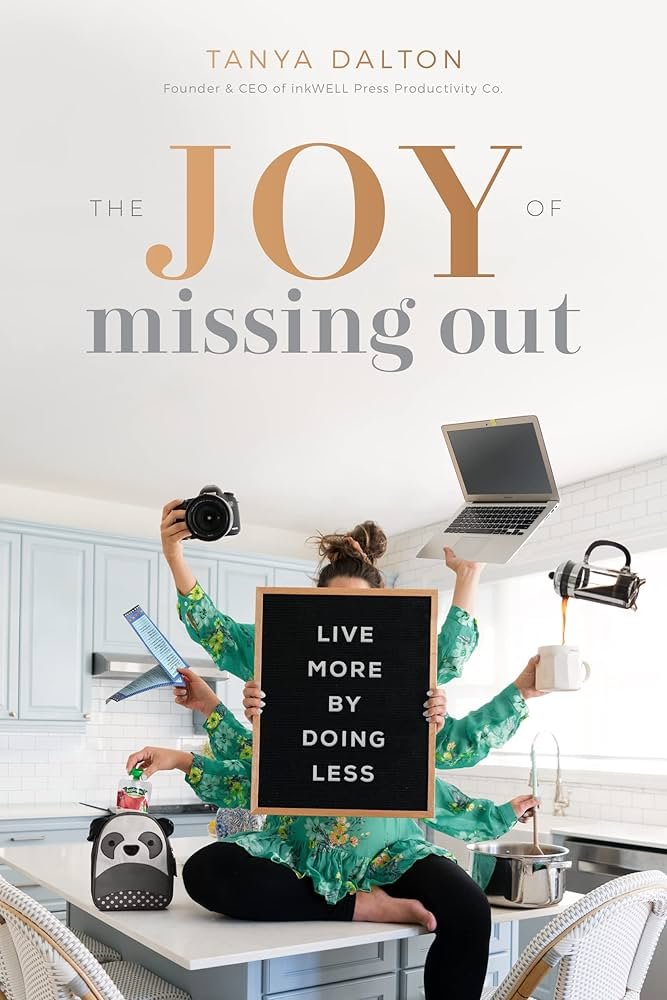
You’ve probably heard of FOMO, the fear of missing out. Have you heard of the opposite, JOMO, which is the joy of missing out?

In The Joy of Missing Out – Living More by Doing Less, Tanya Dalton, a productivity expert, author, and speaker, discusses the overwhelm many women experience due to:

  • Striving to do too much

  • Inability to say no

  • Being unclear about priorities

  • Not knowing where to start

Tanya encourages a mindset shift, saying, “We have to begin finding the joy of missing out on that extra noise in our lives and instead find happiness in a life centered around what’s truly important to us.” She encourages us to “stop the glorification of busy” and to stop worrying that we’re not enough or are not doing enough.

In this four-step liveWELL Method, which Tanya developed for herself, she now uses it to help others create a blueprint for reclaiming their time and living the life they desire. The steps are:

  • Discovery – Identify your unique purpose, life priorities, and North Star.

  • Clarity – Align your projects and tasks with your goals and priorities.

  • Simplicity – Design systems that make your life easier, enabling you to manage it with less effort.

  • Harmony – Build upon the first three steps to create harmony and the life you love.

Tanya says, “We need to discover the priorities that are unique to us, but first we have to take hold of the truth: we must be willing to not have it all.”

We have to begin finding the joy of missing out on that extra noise in our lives and instead find happiness in a life centered around what’s truly important to us.
— Tanya Dalton

4. Interesting Product – Human Curating

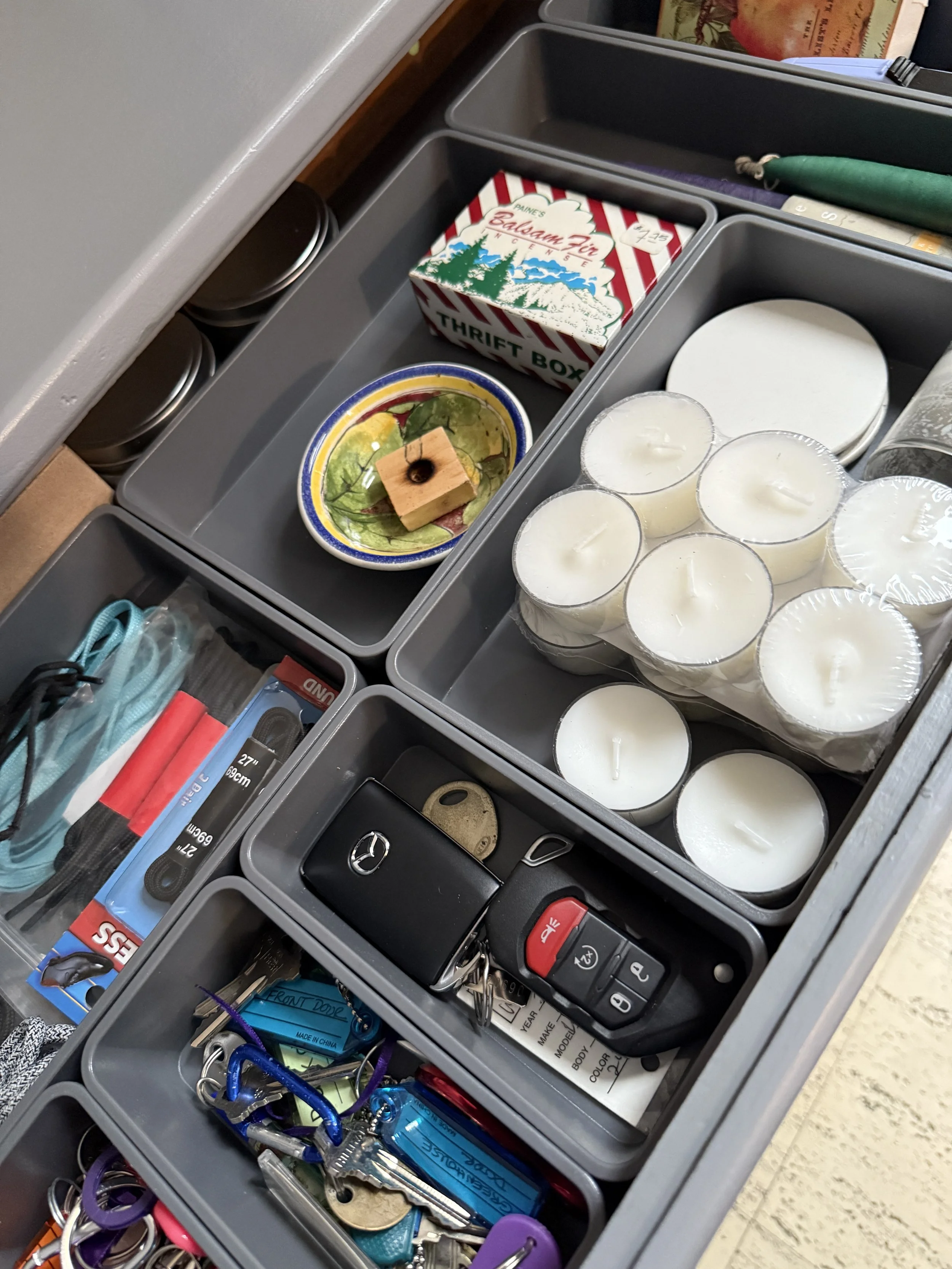
One of my favorite things to organize is cabinet drawers. The more chaotic, the better. A disorganized drawer presents an opportunity to edit, organize, and create order. Why does it matter?

Imagine the feeling of opening a drawer and finding exactly what you need right when you need it. No more searching or stress. It’s a good feeling, and a time-saver, too.

Recently, my husband asked me for drawer organizers and a design for his desk drawer. I recommended these lovely gray open bins, Terra Recycled Drawer Organizers from The Container Store. They also come in white and a variety of sizes. I liked them so much that I purchased more to organize a drawer in our shoe cabinet.


5. Interesting Thought – Human Experiencing

Let’s face it. Life can be stressful and chaotic. You make plans, and things change. You start a project, and something goes wrong. Your schedule is packed with little or no downtime.

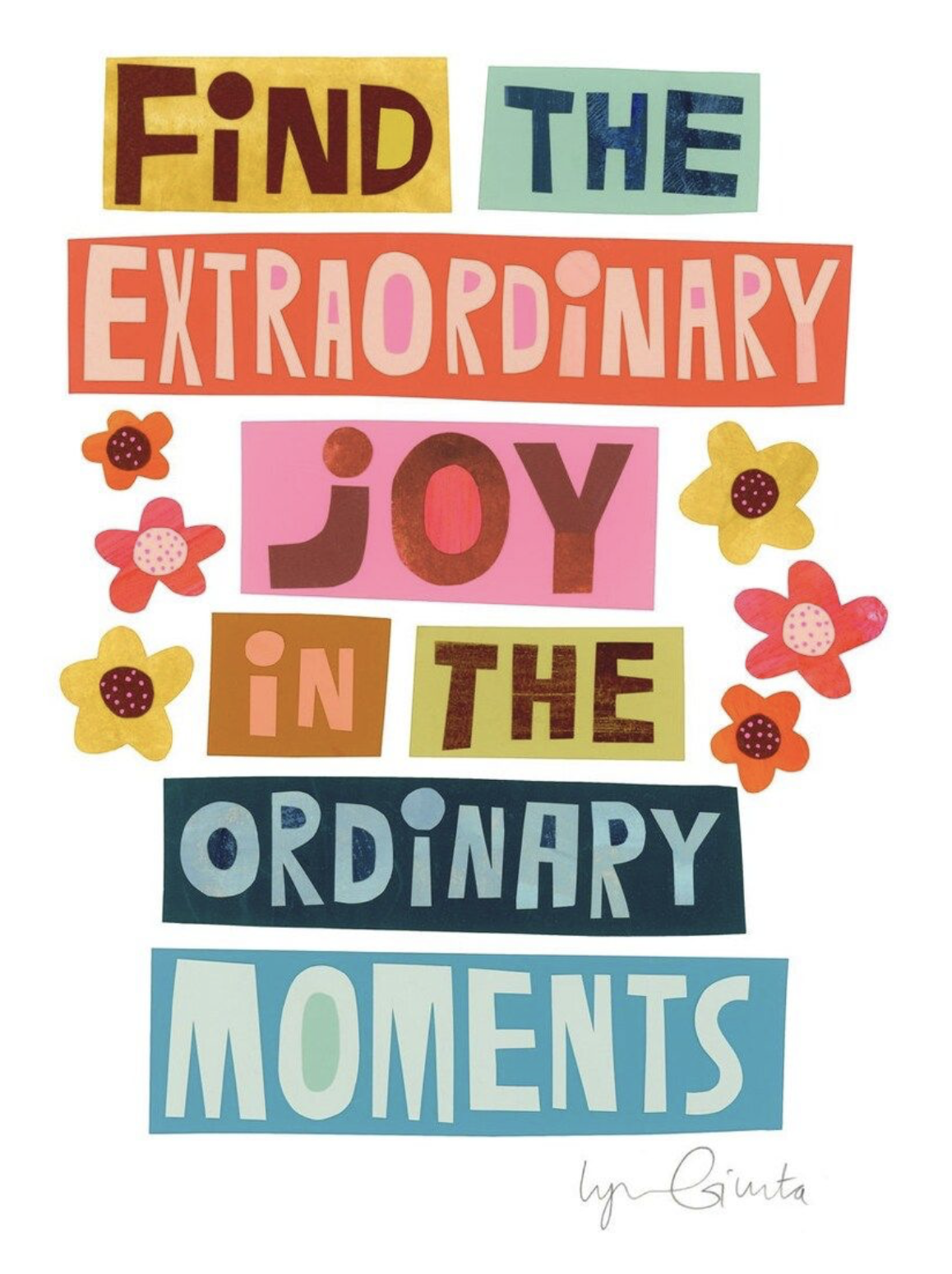
However, even knowing this, you can experience joy in everyday moments. Let yourself be open to those tiny, ordinary moments. They can replenish your reserves, reinforce your gratitude wells, and help you feel more alive in a uniquely human way.

What can these joy-infused moments feel or look like? There are a few I recently experienced:

  • Hearing a client acknowledge and feel positive about their progress.

  • Seeing the afternoon sun backlight the red and orange leaves as the gentle breeze moves them softly against the blue sky.

  • Holding hands with my husband.

  • Experiencing progress, completing projects, or making purposeful choices in the service of growth and change.

  • Taking the first flavorful bite of a new vegetarian chili recipe I just made, and it was delicious.

  • Feeling warm water pouring over me as I shower.

  • Seeing the autumn light fill the sky with a soft pink and orange glow.

  • Hearing the voices of my loved ones, seeing their faces, or hugging them.

  • Getting into bed at the end of a long day and feeling the comforting weight and softness of the bedding.


Human Organizing Experience

In a world flooded with AI, it’s important to keep the human connection strong and vibrant. I highlighted several ways to tap into your uniquely human qualities to improve organization, balance, gratitude, and generosity.

Which of these discoveries resonates most with you? Do you have any you’d like to add? I’d love to hear your thoughts and invite you to join the conversation.


How Can I Help?

Do you feel overwhelmed, stuck, or disorganized? I’m here to help. Virtual organizing is an extraordinary path forward – Local feel with a global reach.

Let’s talk. I’m easy to reach.

Getting organized is possible, especially with real human support.


Here Are Today's Most Interesting and Best Life Balance Discoveries - v38

The newest release (v38) of the “What’s Interesting?” feature has my latest finds, which inform, educate, and relate to organizing and better balance. These unique, inspiring, life balance discoveries reflect this month’s blog theme.

You are a generous, communicative, and engaged group. I am deeply grateful for your ongoing presence, positive energy, and contributions to this community. I look forward to your participation and additions to the collection I’ve sourced.

What do you find interesting?


What’s Interesting? – 5 Best Life Balance Discoveries

1. Interesting Read – Happier Balance

Does life feel hectic this time of year? As we wrap up one year and head into the next, how can you move forward with a happier, more fulfilling life balance? In Happier Hour – How to Beat Distraction, Expand Your Time, and Focus on What Matters Most, social psychologist, professor, and researcher Cassie Holmes, Ph.D., shares her ideas on our most precious resource, time. Holmes says, “Our hours and days add up to years and decades, and ultimately our entire lives. How we spend our time defines who we are, the memories we cherish, and how we will be remembered by those we leave behind.”

Backed by research, wisdom, practical advice, and exercises, Holmes brings you through a doable process. You become aware of where your time is going, which activities are most meaningful, and how to use “time crafting” to “piece together your hours to design an ideal week, like piecing together the tiles of a mosaic.” With a focus on joy and meaning, Holmes says, “The mosaic you create is the magnificent life you get to live.” What makes your days happier?


2. Interesting Product – Office Balance

With a constant flow of emails, texts, calls, projects, and meetings, office life (be it at home or off-site) can feel anything but balanced. A simple solution to restore calm in this hectic setting is to bring nature indoors. Tons of research support the positive benefits to our well-being when we’re in or near nature. The Container Store offers a simple solution with the Design Ideas Mini Succulent Planter Magnets. This set of three tiny magnetic plant holders is perfect for displaying small succulents or dried grasses.

While I don’t own the magnets, I have a small air plant in my office in a ceramic pot on a wooden stand that my daughter made. I love having greenery in view. It also brings me joy to care for plants. What helps bring balance to your office space?


The mosaic you create is the magnificent life you get to live.
— Cassie Holmes, Ph.D.


3. Interesting Article – Noise Balance

In Time’s article, How Listening to Silence Changes Our Brains, authors Justin Zorn and Leigh Marz remind us that the “world is literally louder right now than it’s been at any time in known history.” Research shows how excessive noise causes stress, hearing loss, cardiovascular disease, stroke, depression, and learning lags.

“While the costs of noise are increasingly clear, the power of silence for the mind and body is actually something bigger and deeper than the transcendence of stress or interruption.” Silence can accelerate the growth of brain cells. “The act of listening to quiet can…enrich our capacity to think and perceive.” Whether you meditate, practice yoga, or listen in a quiet environment, your mind and body will benefit from the silence. “In an age of so much noise, silence deserves our attention.” What is a recent experience you had with silence?


4. Interesting Resource – Mood Balance

My friend and colleague, Julie Bestry, is an incredible organizer, researcher, and blogger. In a recent post, she shared a visual breathing app for calming the system. I was intrigued and discovered this other one from eXHALeR designed to help with yoga, meditation, anxiety, or panic attacks. You can adjust certain variables, including the timing for inhaling, holding your breath, and exhaling.

If you want to create an immediate shift in your mood and be more balanced, experiment with the eXHALeR. Breathe in. Hold. Exhale. Hold. Repeat. How do you feel?


5. Interesting Thought – Boundary Balance

Especially during this season, we get asked to do, attend, and gather more. That isn’t necessarily negative, but all the extra doing and saying “yes” to things can create added stress. Setting some boundaries can significantly affect how you navigate the holiday season.

Perhaps you chose to celebrate with a smaller group, take a self-care break between events, or get takeout instead of cooking. There are many ways to enjoy your time and feel more balanced by setting a few well-placed boundaries. What boundaries will you create?


Do you have an interesting life balance discovery? Which of these resonates with you? I’d love to hear your thoughts. I invite you to join the conversation.


How can I help?
 
How to Make New Favorite Ideas From Organizing Conference Empower Helpful Possibilities

Professional development and education are some of my top priorities. I continually invest in learning to understand, nourish my curiosity, grow, and better help people. This past week, I attended the Institute for Challenging Disorganization’s (ICD) conference, celebrating its 20th anniversary. I’m an ICD past president (2014-2016) and have been a member of this stellar educational association for 19 years.

Due to the pandemic, the conference was virtual. Using the Remo platform, people attended from eleven countries around the world. We had four days of workshops presented by leading experts with networking time with colleagues new and old. Possibilities, hope, compassion, and a zest for learning and sharing permeated the sessions and conversations.

In my effort to assimilate a small portion of what I discovered, I distilled ideas from 11 sessions and 20 plus pages of my notes to share with you. I couldn't include everything, so I focused on sharing incredibly inspiring concepts full of possibilities


Favorite New IDEAS to Empower Possibilities

1. Power of Reframing

Our first speaker was Dr. Edward (Ned) Hallowell, an expert on ADHD, founder of Hallowell ADHD Centers, podcast host, and author of 20 books, including his newest ADHD 2.0. His presentation was so uplifting and poignant. I became emotional several times. He focused on the gifts accompanying ADHD, such as being creative, intuitive, curious, entrepreneurial, intelligent, and original. Dr. Hallowell has ADHD and has devoted his life to helping people with ADHD “develop a vision of greatness.” He believes that everyone is capable of more than they think they are, can combat negative self-talk, and develop good self-care hygiene.

He reminded us “what matters is the striving, not the doing or accomplishing.” The “victory is loving the game.” He spoke about the importance of connection and having supportive people to protect and believe in you. 

Hallowell shared the three defining hallmarks of ADHD, which are distractibility, impulsivity, and hyperactivity. He prefers focusing on the positive flipside- seeing distractibility as curiosity, impulsivity as creativity, and hyperactivity as energy. At 71, he said he was “happy to have a turbo pack on his back.”

When it comes to organizing and reaching his goals, he strives for “well enough organized.”

If you reframe your perspective, what is possible?


2. Living Your Strengths

As humans, we seek to understand ourselves and others. Dr. Ryan Niemiec, Education Director at the VIA Institute on Character, author of 10 books, and award-winning psychologist, shared that understanding your character strengths is essential for building your well-being, managing adversity, and increasing happiness. What would be possible if you lived using your strengths and appreciated the strengths of those around you?

In 2003, the VIA Survey of Character Strengths was created. The extensively researched survey emerged from the field of positive psychology. It focuses on 24 universally valued (cross-cultural) character strengths such as hope, curiosity, and gratitude. It has been taken by 16 million people and continues to be taken every 10 seconds. Click here for your free VIA assessment (it takes about 10 minutes) and discover your top signature strengths.

Niemiec made several key points: no strength is better than another, all 24 strengths matter, and they are in all of us. Your top strengths represent the positive parts of your personality, which can change over time. Our strengths reflect our identity, produce positive outcomes for ourselves and others, and contribute to the collective good.

I’ve taken the survey three times over the past ten years, and I’ve seen some shifts in my top five strengths. With the most recent survey, my top strengths are love, gratitude, perspective, appreciation of beauty & excellence, and humor.

I’d love to know more about you. After taking the survey, please share your top five strengths in the comments below if you feel comfortable doing so.

What matters is the striving, not the doing or accomplishing.
— Dr. Edward Hallowell

3. Designing Your Space

Andrea de Pavia, MA, architect, urban planner, author, professor, and founder of NeuroAU, shared her expertise and insights on NeuroArchitecture. This interdisciplinary field connects cognitive science, architecture, design, and urbanism, focusing on “the brain, behavior, and their interconnection with the physical environment.” De Pavia explained how our spaces affect our physiology, making changes in the brain and body. Her goal is to “make science-based choices to improve the environment” and not design solely based on creativity or aesthetics. 

With sensation transference, elements such as light and sound can affect how things taste, your perception of others, and your memories. Perceptual fluency relates to how easy or challenging it is to be in a particular space. In a “fluent space,” it will be easier to process and experience cognitive restoration. Our physical environment can affect stress levels and health. Lack of multisensory coherence can impair perception and attention, deplete mental resources, and impair decision-making. Imagine being in a cluttered space (whatever ‘cluttered’ means to you.) Notice how you feel. Are you calm, relaxed, anxious, or agitated? 

Our space can help or impair our cognitive restoration. De Pavia shared several ways to design and organize spaces to decrease stress and save mental resources, such as incorporating nature. Include pictures of nature, use natural light, add plants (real or not,) water features, and natural materials. This is known as biophilic design.

Don’t underestimate the importance of windows and natural light. Uncover the windows and position yourself closer or facing them. Seeing the sky (day or night) helps control our circadian rhythm, which affects our biological clock. It syncs our body with the environment and affects our energy during the day and quality of sleep at night. Natural light supports the production of serotonin, a hormone that stabilizes our mood, feelings of well-being, and happiness.

I often write about organizing homes and offices to support who you are and what you do. This science-backed research reinforces the importance of decluttering, creating calm spaces, and being in environments that allow us to restore, reset, and be productive. What would be possible for you as you imagine being in a cognitively supportive space?


Possibilities are all around as we look at ways to reframe our perspective, live using our top strengths, and create spaces that support our minds and bodies. So much is possible. Which ideas resonate with you? I’d love to hear your thoughts. I invite you to join the conversation.