Posts tagged perfection
5 Life Lessons I Learned About Patience and Promising Progress

Recently, I reread the first blog post I wrote on waiting. As humans, waiting is something we do, yet we’re not always happy about it. We want things to happen quickly, effortlessly, and painlessly. However, things don’t often go that way. Our patience gets tested as waiting can be a challenging experience.

Maybe you’re working toward a big goal that might take months, years, or even decades. Perhaps your energy is low, and progress looks different from what it did earlier in your life. You might also lack clarity about your goal or what your next step will be.

Developing your internal resources, including patience, resilience, and agency, can be beneficial. You can also enlist help from external resources, such as haulers, handymen, trade specialists, a coach, a therapist, or a professional organizer like myself.

Progress is possible. Reaching your goals is doable. Gathering the resources to get there is essential.

Over the past few months, my husband and I have been working on some home projects. They have taken different amounts of time to complete, and some are still ongoing. The biggest obstacles were setting priorities and managing time constraints. To finish these projects, we had to decide that they were still important enough to pursue. Once we agreed on that, we scheduled the time to complete them. The scheduling was pivotal. Without planning and scheduling, nothing would have happened.

During the process, I reaffirmed and learned a few things. Hopefully, some of these will resonate with you and be useful as you pursue your goals and projects.


5 Life Lessons I Learned About Patience and Promising Progress

Life Lesson #1:  I can tolerate discomfort.
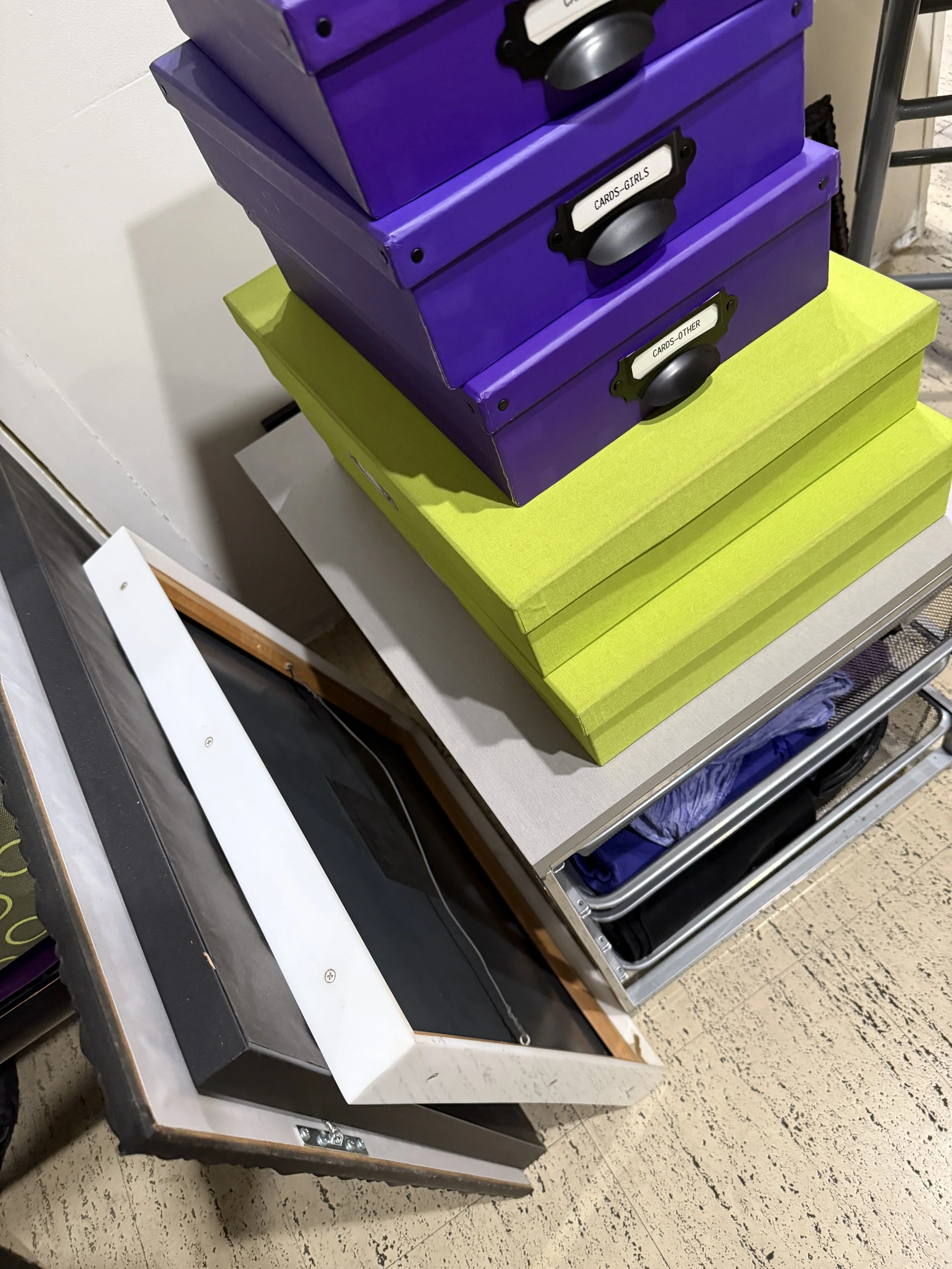
I love the final result when we improve our home. It’s hard for me to tolerate the temporary chaos that happens. Stuff gets pulled out of place, messes spread to multiple areas, and order and organization are disrupted.

I often tell my clients that things usually get worse before they get better. When you’re organizing a closet, for example, and things are pulled out, it doesn’t look great. But as you start editing, rerouting, discarding, and donating, clarity begins to emerge. Once you organize the “keepers,” everything looks and feels better. However, there's a tipping point in the middle of the project where discomfort can surface.

Even though I’m happy when we’re fixing things, I tend to feel more anxious and stressed when we’re in reno mode. That discomfort motivates me to finish what we started as soon as possible. Interestingly, I can easily handle disorder in spaces I don’t live in. But in my own home, I prefer a certain level of order, calmness, and predictability.

Although I prefer not to be uncomfortable, I am capable of tolerating discomfort. This is especially true when it’s temporary or for a good reason. Acknowledging this made me feel less stressed and more accepting of the chaos.


Life Lesson #2: I can transform temporary chaos into an opportunity to reimagine.
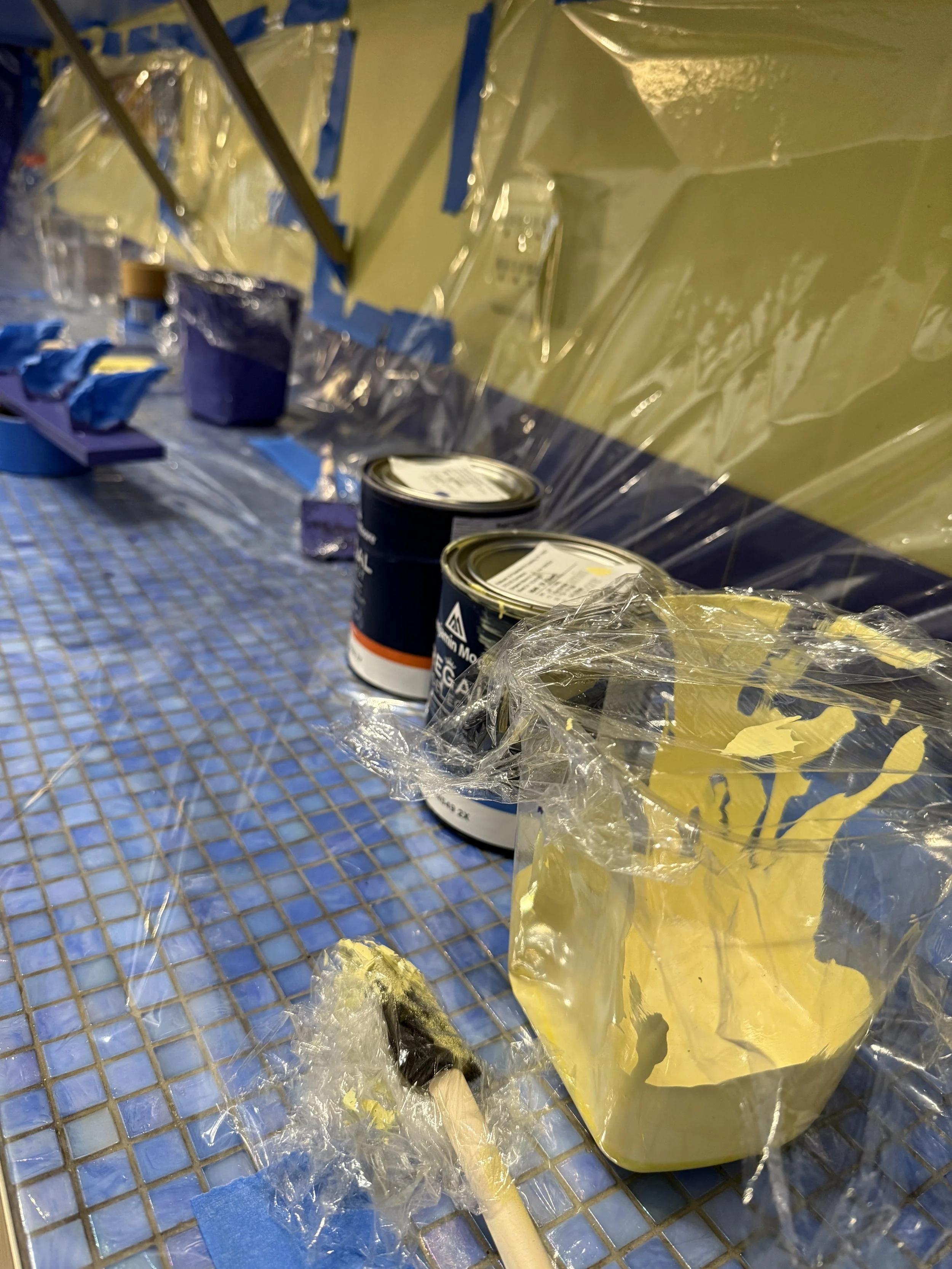
One of the benefits of taking things apart is having time to edit, question, and reimagine. We recently disrupted our entryway to spackle, paint, and do some electrical work. Doing that allowed me to let go of some things and reimagine the placement of certain items, like my Pez collection and one of the rugs.

I also felt inspired to repaint three of the cabinets. One is a big project, which I’ll wait to do in warmer weather. The other two cabinets will be done soon. Without being open to chaos and committing to the entryway project, these other projects might not move forward.

Chaos doesn’t have to be negative. It can be an opportunity to bring positive changes. The temporary chaos stirred my creativity and desire to make more improvements.


Life Lesson #3: I can finish what I start when I prioritize and plan.
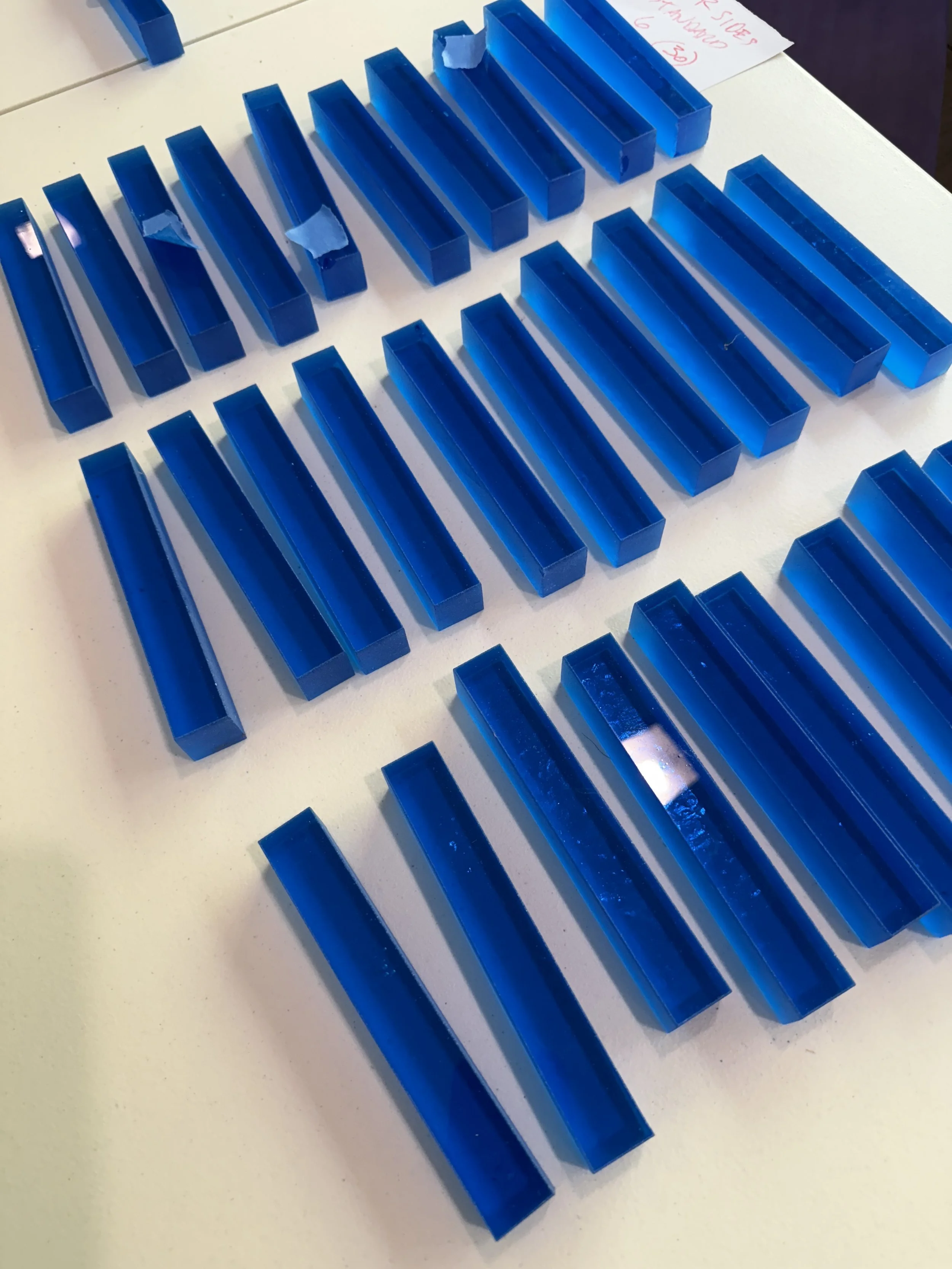
This might seem obvious, but when you want to accomplish something, whether it’s organizing, home improvement, or changing a habit, dedicating time and energy to it is essential.

Deciding that something is a priority is the first step. This may involve temporarily setting other things aside while you focus your resources on the main goal. After all, you can accomplish a lot, but not all at once. Something has to give.

Once you've identified your priority, the next step is to schedule and plan dedicated time to work on it. For us, that meant working several evenings and weekends. Again, without blocking out specific calendar dates, it would not have been completed.

I can wish all I want, but without making it a priority and including it in a scheduled plan, it’s unlikely to happen. There is great potential and power in recognizing what I’m capable of when I prioritize and plan.

I can tolerate discomfort.
— Linda Samuels, CPO-CD®, CVOP™

Life Lesson #4: I can feel the joy and satisfaction that come with progress.
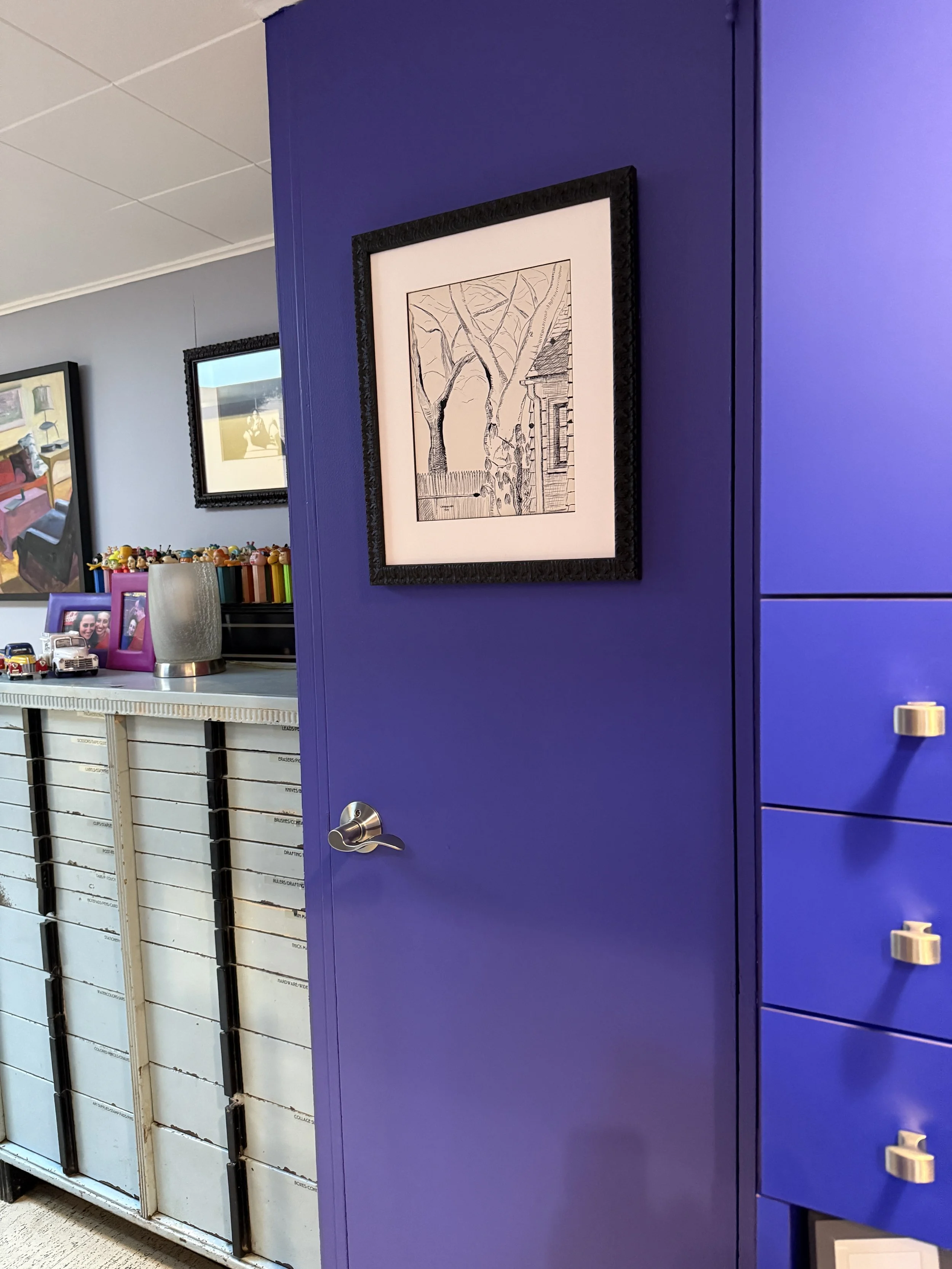
Done is great, but so is progress. No goal happens with one step. Progress happens one step, one action, and one commitment at a time. When working on the renovation projects, Steve and I took a moment to appreciate the progress along the way.

Momentum is a powerful force. Taking action motivates you to do more. Experiencing progress encourages further movement. Progress is satisfying and joy-inducing.

Steve and I made sure to see, feel, talk about, and celebrate the progress we've made. It was no small feat to get some of these projects started. We embraced the positive feelings that came with making progress.

Do you know the expression, “Stop and smell the roses?” For this one, let’s pause and celebrate the progress. You took action and worked hard. Now, enjoy it!


Life Lesson #5: I can be awed by my bad-ass husband.

After 42 years of marriage, I am still amazed by my husband. He is a talented man who, among his many skills, knows how to cook, play the drums, coordinate large-scale architectural woodworking projects, and handle almost any type of home improvement or repair project. He’s also a devoted volunteer, a great listener, a wonderful father, and an incredible husband and life partner.

Whether he was finishing the glass tiles in the bathroom, doing electrical work, plumbing, cutting through walls, spackling the ceiling, or painting surfaces, he not only knew what to do but also had the right tools to do it. He also taught me how to do some things, so we could work together on projects. I love that!

I am constantly inspired by Steve’s work ethic, humanity, skills, design sense, dedication, and talent. He was willing to let go of perfection to do his best and finish projects. I’m grateful for and in awe of the incredible human he is. Thank you, Honey!


How Do Patience and Progress Manifest for You?

Patience, or the lack of it, is part of being human. In fact, impatience can sometimes drive progress. When you feel stuck, progress may seem out of reach. However, leaning into that urge to move forward and pushing your patience to its limit can be one way to make progress. Prioritizing and planning are also helpful. What helps you move ahead?

Which ideas resonate most with you? I’d love to hear your thoughts. I invite you to join the conversation.


How Can I Help?

Are you ready to make progress? Do you feel overwhelmed, stuck, or disorganized? I’m here to help! Virtual organizing is an extraordinary path forward – Local feel with a global reach.

Let’s talk. I’m easy to reach.

Getting organized and making progress is possible, especially with support.


Feeling Stuck? Start Here: Small Organizing Steps That Empower Motivation

Feeling stuck is a common experience. Do you wait to feel motivated before starting a project or task? You might think you need to be in a good mood, have the right energy, or be completely clear about your plan before beginning. However, like with organizing and in life, waiting can keep you stuck. The reality is that motivation doesn’t always come first. More frequently, it follows the act of starting.

When you take that first tiny step, whether it’s decluttering one surface, recycling some papers, or making a short to-do list, you build momentum. Beginning helps you to":

  • Break through mental clutter.

  • Build confidence.

  • Turn what’s overwhelming into something manageable.

Just starting reinforces that progress doesn’t begin with having everything figured out. Getting unstuck starts with taking one small step.

If you’ve been waiting for the perfect time, I encourage you to let go of perfection and take action today. The smallest effort can spark the motivation you’ve been missing.

As James Clear said, “Whenever you are stuck searching for the optimal plan, remember: Getting started changes everything.”

With these ideas in mind, what can help you change everything?


27 Ways to Get Started: A Motivation-Boosting Organizing Checklist

Nike’s iconic motto is “Just Do It.” Similarly, but with a twist, the suggestions in this checklist encourage you to just start with small actions that will help build significant momentum.

Use this checklist when you’re feeling stuck. Completing even one small task can boost the motivation needed to keep going.


THE MOTIVATION-BOOSTING ORGANIZING CHECKLIST

Home Clutter

  • Make your bed.

  • Declutter one corner of your desk.

  • Organize just one category, like shoes, coffee mugs, or bathing suits.

  • Empty and edit the contents of a tote bag or bin.

  • Declutter five items from any drawer.

  • Take out the recycling.

  • Place a donation bag somewhere visible.

  • Put five items into the donation bag.

  • Declutter one shelf or surface.

  • Recycle ten old magazines, papers, or receipts.


Digital Clutter

  • Delete or archive ten emails from your inbox.

  • Clear your desktop of old files.

  • Remove five phone apps you don’t use.

  • Unsubscribe from three newsletters you never read.

  • Turn off dings, pop-ups, and alerts.


Time-Induced Starts

  • Set a 10-minute timer to declutter anything.

  • Schedule 15 minutes this week to start your next project.

  • Take five minutes to decide on the “maybe” items.

  • Spend five minutes reviewing your to-do list and pick the top three tasks you want to accomplish today.


Quick Wins

  • Toss all the non-working pens in your pencil cup.

  • Clear the kitchen sink.

  • Put dirty laundry in the hamper.

  • Follow up on one item from your ‘pending’ pile.

  • Label one shelf, bin, or folder.

  • File or shred a small group of papers.

  • Clean out your purse.

  • Remove the trash from your car.


What Small Actions Help You Get Started?

Don’t underestimate the positive impact taking small steps has on motivation. Relief and progress are within your reach. How does starting influence what happens next? Which items from the getting started checklist resonate most with you? What additional items would you like to add to your checklist?

I’d love to hear your thoughts. I invite you to join the conversation.


The smallest effort can spark the motivation you’ve been missing.
— Linda Samuels, CPO-CD®, CVOP™


How Can I Help?

Would you like some support with motivation, activation, or organization? I’d love to help! Virtual organizing is an extraordinary path forward – Local feel with a global reach.

Let’s talk. You can:

Organizing and sustaining motivation is possible, especially with support.


Here Are 5 Most Interesting and Best Time Management Discoveries - v50

Enjoy the latest release (v50) of the “What’s Interesting?” series, which features my most recent finds that inform, inspire, and relate to organizing and life balance. These unique time management discoveries reflect this month’s blog theme.

You are an engaged, vibrant, and generous group. I am deeply grateful for your ongoing presence, positive energy, and contributions to this community. I look forward to your participation and additional contributions to the collection I’ve sourced.

What do you find interesting?


What’s Interesting? – 5 Best Time Management Discoveries

1. Interesting Read – Productivity Time

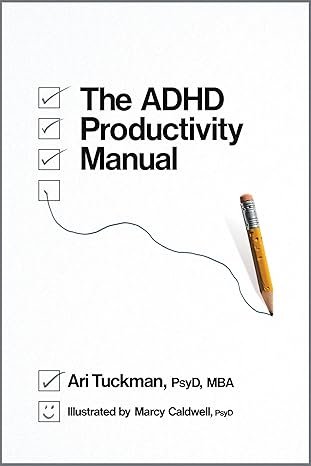
Do you or someone you know have ADHD and struggle with productivity, consistency, and punctuality? If so, you’ll love the latest book by psychologist, author, presenter, and thought-leader, Ari Tuckman, PsyD, MBA.

He draws on his 40,000 hours of client work to share strategies and insights on how people with ADHD can get things done.

In The ADHD Productivity Manual, Ari explores thirty-six areas that affect productivity for individuals with ADHD. Topics include:

  • How ADHD makes it harder to see time

  • Essentials for making the most of your brain

  • Clarifying your goals

  • Minimizing distractions

  • Letting go of perfection

  • Navigating feelings of overwhelm

Ari says, “The obvious goal of this book is to help you get more done. The less obvious, but more important goal is that I want you to feel good about yourself.” He goes on to say that “ADHD is a disorder of converting intentions into actions. This book is all about action.”


2. Interesting Article – Timeboxing

Have you ever tried timeboxing? In Rebecca Muller’s Thrive Global article, “Try This Now: ‘Timebox’ Your Tasks at Work,” she makes the case for using this visualization exercise to help you prioritize and focus on which tasks to tackle first and which can wait. This approach can be especially beneficial when you feel overwhelmed and stressed by a lengthy to-do list.

Here is one method to timebox:

  • Grab a sheet of paper

  • Draw a column of boxes

  • Put each task in a box based on its priority level

You will quickly visualize which items require immediate attention and which are non-urgent. Muller quotes Marc Zao-Sanders in a Harvard Business Review piece. Zao-Sanders says about timeboxing, “It’s visual, intuitive, and obvious.”

In what ways could timeboxing be an effective strategy for you?


3. Interesting Product – Grounding Time

Busy schedules, excessive stress, and uncertainty can leave you feeling emotionally depleted and anxious. Does your day involve pushing yourself to the point of exhaustion? If so, it’s vital to restore your well-being by taking time to ground and calm yourself.

There are various ways to accomplish this, such as meditating, taking nature walks, journaling, talking with a loved one, slowly sipping a beverage, or gazing out the window.

Another idea is to use a time reminder for grounding. I found this adorable stress reliever made by Mindsight. The six-inch-tall Breathing Buddha helps you practice mindful breathing in short sprints. It features a simple visual soft light for guidance, pre-set breathing cycles, is rechargeable, and is portable.

What helps you feel relaxed and grounded?


It’s vital to restore your well-being by taking time to ground and calm yourself.
— Linda Samuels, CPO-CD®, CVOP™


4. Interesting Resource – Laugh Break Time

While life isn’t all puppies and rainbows, there’s something life-affirming about taking time for silly, joy-inducing moments. One way to do that is through laughter.

When was the last time you had a good laugh? I’m talking about full-body, uncontrollable, contagious laughter. Maybe you saw a comedian, heard a great joke, or watched a funny movie. Something tickled your giggle motor, and the laughter began.

By the way, if you haven’t seen the movie “Bad Shabbos,” I highly recommend it. I laughed so hard that my face hurt.

On a recent trip with my wonderful husband, Steve, we stopped at the Whispering Oaks Vineyard in Sunbury, PA. I gazed at the lush green landscape and sipped a delicious frozen wine slushy, which has become my new favorite drink. Then we shared this playful moment.

Steve started laughing, and I couldn’t help but join in. It makes me laugh every time I watch the video, and it reminds me of how essential laughter breaks are in life. While I recognize how personal humor can be, I hope this short clip brings a little lightness to your day.

What makes you laugh?


5. Interesting Thought – Progress Time

It’s easy to get discouraged when you are making changes or striving for a larger goal. The secret to moving forward and boosting motivation hinges on redefining progress.

Break large projects into smaller, manageable, and accomplishable parts. Celebrate the progress you are making with each action, even if that means simply acknowledging it. Keep going until you achieve the results you want.

A puzzle consists of many pieces. Each piece serves a role in creating the complete picture. Completion occurs by finding and placing one puzzle piece at a time. Likewise, achieving your goals happens through small actions that support progress.

What will you make progress on today?


Making the Most of Your Time

Each person receives the gift of 24 hours a day. It’s up to you to decide how you want to use your days, what you will prioritize, and what you will put on hold or release.

How can you manage your time better? What is one thing you could change that would make a significant and positive difference? Which of these discoveries resonates most with you? I’d love to hear your thoughts and invite you to join the conversation.


How Can I Help?

Do you want support to get unstuck, become organized, and utilize your time more effectively? I’m here to help. Virtual organizing is an extraordinary path forward – local feel with global reach.

Please email me at linda@ohsorganized.com, call 914-271-5673, or schedule a Discovery Call. Change is possible, especially with support.


7 Inspiring Resources to Quickly Motivate You to Declutter Now

If you have a little clutter, a lot, or somewhere in between, you can benefit from editing and letting go. What happens when you hold onto things that no longer serve you? What results when your ‘stuff’ takes up too much physical, emotional, or energetic space?

Clutter can intensify feelings of:

  • Overwhelm

  • Anxiety

  • Stress

  • Frustration

  • Hopelessness

It can significantly affect your daily life, sense of agency, self-esteem, and energy.

The good news is that you can change your relationship with clutter and live with more ease. I’ve compiled a list of seven resources to help motivate you to declutter. From simple questions to client-inspired experiences to advice from experts, you’ll find what you need to support your decluttering journey.


Seven Resources to Motivate Decluttering

1. Commitment – Is Decluttering Worth It?

Let’s face it. Decluttering takes effort and time, and you might feel you have a limited supply of both. Ciéra Cree interviewed me for the Livingetc article, “Is Decluttering Worth It? Experts Say Yes – and Highlight Why a Clutter-Free Space Feels So Good.”

Only you can decide if decluttering is worth it. As shared in the article, “Countless clients of mine have experienced the positive effects of decluttering their space…they feel relief, as if a weight has been lifted. They are more energetic, productive, and optimistic about their space.”


2. Well-Being – What is Clutter’s Impact on Mental Health?

Clutter can negatively affect your mental health and well-being. If you are looking for several valuable resources that dive into the impact of clutter on your life and some helpful tools, check out my article, “One Excellent Tool to Assess Clutter’s Impact on Your Mental Health.”

The article includes links to my interviews with Melissa Tracey for

  • “How Clutter Creates Stress and Anxiety: Strategies for Decluttering” – Houselogic article

  • “You’ll Never Look at Your Home’s Clutter the Same” - The Housing Muse podcast


3. Observation – Does Clutter Blindness Affect You?

How can you declutter if you are clutter blind? Ciéra Cree interviewed me for the Apartment Therapy article, “4 Signs You May Be Struggling with ‘Clutter Blindness’ – And How to Fix It for Good.”

I defined clutter blindness as “the experience of having clutter in your life that you no longer see.”

Cultivate curiosity by developing awareness of clutter by purposefully noticing what’s around you. Focus on heightening your awareness. This will “help shift your internal perspective as well as your actual view of the physical clutter.”


4. Motivation – What Are the Top Reasons That Motivate Decluttering?

Significant life events can make the decluttering process easier and faster. This is because the reasons to declutter are clear. Decision-making goes more quickly and less stressfully because your choices are aligned with your goal.

The five top decluttering motivators are:

  • Moving – Downsizing, upsizing, or right-sizing

  • Cycling – Revolving door stage when kids leave and return home frequently during the college years and beyond

  • Surprising – Experiencing extreme weather events that damage possessions

  • Ending – Handling deceased loved one’s possessions

  • Stabilizing – Adjusting the environment to accommodate unanticipated medical or mental health conditions

To learn more, read my post, 5 Strong Motivation Reasons to Get Rid of Your Clutter.”


Significant life events can make the decluttering process easier and faster.
— Linda Samuels, CPO-CD®, CVOP™

5. Distress – What to Do First When Overwhelmed by Clutter?

Does clutter overwhelm you? If so, you’re not alone. You will love this resource if you’re curious about excellent first-step strategies.

Caroline Bologna recently interviewed me for the HuffPost piece, “The First Thing Professional Organizers Do When They’re Feeling Overwhelmed by Mess.”

There are many practical approaches. I prefer to change my internal state first to gain control so that I can more calmly and easily alter the external state, the clutter. You can achieve this by taking several slow, deep breaths. Then, shift your thoughts to more proactive and positive messages.


6. Solutions – Where Are the Best Tips for Decluttering and Organizing?

For over thirty years, I’ve been helping clients declutter and organize. Fast-forward to 2009 when I started blogging about organizing and life balance.

The categories I write about include clutter, letting go, virtual organizing, mindfulness, parenting, motivation, change, and more. Use the Browse the Blog feature or the search icon to learn more about a specific topic that interests you.

Many excellent organizing blogs are great resources for tips and strategies. Each blog has a distinct focus and personality. Feedspot recently featured its favorite organizing blogs on two lists, and I was thrilled to be included.

They are:


7. Progress – How Can the Decluttering Process be Simplified?

One of my favorite creatives and authors, Todd Henry, shared an excellent question in his book, Daily Creative. While he didn’t pose the question specifically for clutter challenges, I thought it could be effectively used in that context.

Todd asked,

“What’s the very next thing I need to do to make any kind of progress?”

I appreciate three aspects about this question and why it’s so powerful. They are:

  • The emphasis is on “the very next thing.” This implies not worrying about the entirety of your goal but instead reducing the scope to take one small next step at a time.

  • The qualifier “any” encourages you to start decluttering wherever you choose.

  • Including “progress” focuses your effort on moving forward rather than on perfection or completion. A progress pursuit is easier to measure, reduces overwhelm, and boosts motivation.


What Motivates Decluttering?

Is clutter challenging for you? What are your go-to resources that motivate you to declutter?  I’d love to hear your thoughts. I invite you to join the conversation.


How Can I Help?

Do you want support organizing, editing, or decluttering? I’d love to help! Virtual organizing is an extraordinary path forward – Local feel with a global reach.

Please schedule a Discovery Call, email me at linda@ohsorganized.com, or call 914-271-5673. Living clutter-free is possible, especially with support.