

Posts tagged breathe
How to Meet Change with More Compassion and Ease

When you think of compassion and ease, what sensations do you feel in your body? What images come to mind? What stories or messages do your thoughts reveal?

Now, think about change. Are you experiencing sensations, images, and thoughts that feel quite different from those associated with compassion and ease?

No one has the same experience, and yours will likely differ from mine. For me, thoughts of compassion and ease bring calm, care, and gentleness. My breath feels steady and slow. My mind feels clear. I feel more grounded, present, and better able to navigate in the moment.

When I think about change, my initial reaction is to brace. I can feel my shoulders tense, my jaw clench, and a funny sensation in my stomach. Not all change feels that way. Sometimes, positive anticipation and excitement are present. But rarely with change is my first thought or feeling calm or ease-filled.

What becomes possible when you can meet change with compassion and ease?


Meet Change More Gently
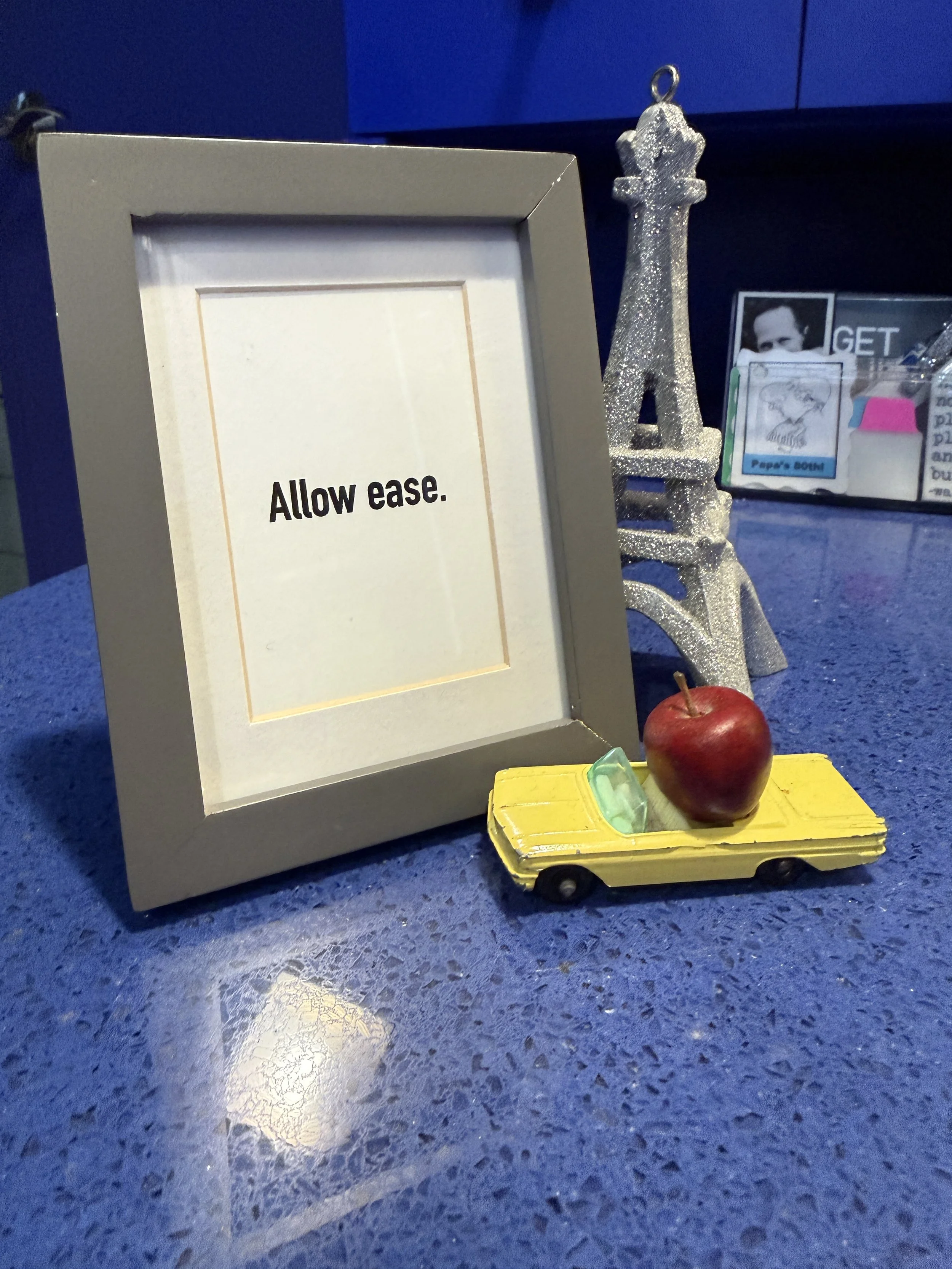
Last week, I wrote about the Tiny Shifts Experience I’ve been participating in, led by Dr. Elisha Goldstein. In one of his prompts, he guided us to “Allow a little more ease” throughout the day.

Before starting the Tiny Shifts program, I had been considering “ease” as my guiding principle, my North Star for 2026. When Elisha encouraged us to “Allow a little more ease,” it confirmed what I was already thinking.

This week, I tweaked the message. My focus for 2026 will be “Allow ease.” I will meet each day, including the challenges, joys, tasks, commitments, and changes I seek, and those thrust upon me, with more compassion and ease.


Engage in Strategies That Encourage Ease

When I notice I’m getting stressed, I will lean on these two strategies.

Strategy 1: Embody Ease with the Breath

This one is so simple. I’ve already used it half a dozen times recently, and it’s incredibly effective. It takes less than a minute.

To Embody Ease:

  • Pause what you’re doing.

  • Gently close your eyes or shift your gaze downwards.

  • Thinking silently, pair these two words while you breathe.

  • Inhale > Allow.

  • Exhale > Ease.

  • Repeat the sequence one or more times until your nervous system calms.

Strategy 2: Ask One Simple Question

You can ask this question on its own, before, or after using the breathing strategy. Listen to what arises and then focus on making a small shift.

Ask this:

Where can I allow more ease right now?

The query will help you identify where your tension or stress lies. How can you change your experience in the moment and lean into more ease? Is there a physical place in your body you can soften? Is there an unhelpful thought loop that needs to be released or noticed? Where is ease possible for you right now?

Where can I allow more ease right now?
— Linda Samuels, CPO-CD®, CVOP™


Can You Shift How You Approach Change?

Change can be exciting or stressful. By integrating strategies that foster compassion and ease, you can move forward with greater grounding and calm. What is your relationship to change? How could creating more ease alter your relationship with change? Which ideas resonate with you?

I’d love to hear your thoughts. I invite you to join the conversation.


How Can I Help?

Do you feel overwhelmed, disorganized, or stressed? Do you want to embrace change this year, yet feel stuck? I’m here to help! Virtual organizing is an extraordinary path forward – Local feel with a global reach.

Let’s connect! I’m easy to reach.

Embracing change and getting organized are possible, especially with support.


3 Ways to Take a Slow Exhale & Refocus Energy for a New Fresh Start

Are you feeling exhausted after meeting a deadline or finishing a project? While hyper-drive may be necessary to reach completion, downshifting is essential afterward.

Over the past month, I worked hard on the chapter I wrote for the new ICD (Institute for Challenging Disorganization) book to meet their short, time-sensitive deadline. I am excited to have written the chapter on client support and look forward to sharing more once it is published later this year.

How does this relate to fresh starts? The writing deadline straddled the end of one year and the beginning of another. The time I typically take to wrap things up and reimagine what’s next was allocated to the book project. Instead of slowing down as the year closed, things sped up and kept going until earlier this week when I submitted my draft.

Completing the deadline helped reaffirm the necessity of taking a moment to breathe. This slow exhalation is the break I need to refocus my energy and plan what comes next. I identified several elements that I hope you’ll find helpful the next time you are about to switch gears.


3 Ways to Exhale & Refocus Your Energy

1. Reflect

Doing a post-deadline debrief, thinking about how I approached the book project and what I learned, was valuable and affirming.

These are some reflections:

  • Clarified the chapter’s content and description with the committee

  • Made time estimates for how long it would take to write the chapter

  • Scheduled writing blocks on my calendar

  • Said “no” to things that would distract from my objectives

  • Remained flexible with scheduling and idea development

  • Developed an outline of topics to cover

  • Made a plan for how to approach the various sections

  • Hired an accountability partner (thank you, Lana) to keep me on track

  • Set weekly goals

  • Logged hours and other metrics

  • Journaled

Another aspect I noticed was how my weekly blog writing routine prepared me for this project. My well-established writing tools and rituals made writing easier during the scheduled “ICD Book Project” writing blocks. When things didn’t go well during a particular block, I wasn’t discouraged, as I knew it was a normal part of the writing. I had built up resiliency through experiencing similar ups and downs with blogging.

Hiring an accountability partner was incredibly beneficial for the book project, especially because of the tight deadline. It was also fascinating to experience and fully appreciate the benefits from the “lived” perspective. While I have received a lot of positive feedback from my clients, I better understand why they say having me as their accountability partner is helpful. I get it.


2. Sense

I just finished reading a wonderful book How to Winter, by Kari Leibowitz, PhD. I highly recommend it, especially if you’re interested in the far-reaching benefits of developing a “positive wintertime mindset.”

One of the things that she wrote about was how to develop an awareness of those things you love about winter, like:

  • the “fresh” smell of the air that slow-moving molecules create

  • the cozy warmth of being around a firepit

  • the delight of sipping hot cocoa with marshmallows or

  • the happy sensation of curling up with a warm blanket and book

While I engage regularly with my senses, I noticed how they were heightened during this transition time because I was reading Leibowitz’s book. When I was outside, instead of thinking about how cold I was, I breathed in the crisp air and appreciated the cyclical nature of the dormant, bare trees. Instead of feeling guilty for wanting to go to bed earlier, I recognized the value of rest and delighted in the visceral calming effects of my bedtime rituals.

Appreciating and sensing is a gentle way to experience presence and gratitude for what is here now. Lingering in this presence through my senses removes concern about what will be next and helps replenish my energy.

Of all things, as if on cue, the snow just started falling. At first, the flakes were sparse and descended slowly. Then, the flow and pace increased as the sky and landscape turned white. We’re expecting five to seven inches of snow over the following hours. I’m so excited! Perhaps there will be some hot cocoa in my future. A white covering will soon transform everything. Talk about a clean slate! It’s the perfect visual to encourage a fresh start.


While hyper-drive may be necessary to reach completion, downshifting is essential afterward.
— Linda Samuels, CPO-CD®, CVOP™

3. Nourish

Engaging in nourishing activities that support your well-being is another way to slow down and refocus your energy. When you have exerted a lot of effort, balancing it with restorative practices is vital.

My supportive activities include meditation, yoga, walking, and journaling. There are others, too, like exploring new places, seeing friends and family, watching movies, eating healthfully, or getting enough sleep.

And then there’s soup—yes, soup! Making and eating soup is a thoroughly enriching activity for me. I love washing and chopping ingredients, adding them to the big pot, and creating a delicious meal with a few simple, fresh items.

After hours of simmering, my husband and I will share this hot meal as we look out the dining room window into the chilly night, watching the snow gently fall. Maybe we’ll even eat by candlelight. If that’s not cozy and nourishing, I don’t know what is.

What helps you slow down and restore energy? How can taking a restorative break energize your fresh start? I’d love to hear your thoughts. I invite you to join the conversation.


How Can I Help?

Do you want support organizing, planning, or restoring energy? I’d love to help! Virtual organizing is an extraordinary path forward – A local feel with a global reach.

Please schedule a Discovery Call, email me at linda@ohsorganized.com, or call 914-271-5673. Change is possible, especially with support.


How to Energize Big Change with a Blissful Little Pause

When you’re making a significant change, it takes sustained energy and focus. This can be exhausting. When pursuing change, motivation is an essential ingredient. However, it’s not enough. Sometimes, you’ll need to act even when you don’t feel like it and your motivation is low or non-existent.

Taking action through small, consistent steps will facilitate the change you desire.

There is another aspect to proactive change that goes beyond desire, motivation, and action. It’s recognizing the powerful and energizing effect a brief pause has.

Last week, I wrote about capacity. The pause is connected to that idea. Consider how much stamina it takes to make a change in your life. Along that journey, which could take days, months, or years, the endurance needed won’t be sustainable without rest cycles.

Clients’ Organizing Goals

I admire my clients’ dedication to pursuing their organizational goals and making changes in their lives. There are weeks when things flow easily for them. At other times, it’s more challenging to activate and move forward. They don’t give up. I support them as they navigate the change process. They balance the intense periods of action with taking breaks. They’ll step away briefly and then return.

The power of their pause is noticeable. After their hiatus, clarity, energy, and determination return. The downtime creates space to breathe, rejuvenate, and refocus.


My Big Changes

You may recall how the pandemic influenced significant changes for my organizing business, Oh, So Organized! In 2020, after almost thirty years of working in-person with clients, I pivoted to offer virtual services only. My organizing company helps overwhelmed individuals challenged by disorganization get unstuck and organized with nonjudgmental, personalized one-on-one sessions, workshops, and publications.

I’ve led workshops for decades. Most of those were hosted by other companies or industry associations. However, in 2022, I started sponsoring my own workshops. I’ve hosted four since then and plan to offer two more this year. It’s been a positive change that I’m still exploring.

In the first quarter of 2024, I had four workshops scheduled, one of which I hosted. I’ve already given three and was invited to present next month for Denise Wenacur’s Design Lab. These changes have been exciting yet intense because of the deadlines.

To sustain the pursuit of the changes you seek, step away from doing to recharge.
— Linda Samuels, CPO-CD®, CVOP™

A Gentle Pause

Do you remember I mentioned how my clients balance their change pursuits with taking breaks? Well, I’m no different. I integrate breaks, too. And luckily, in the last few weeks, we’ve had some beautiful snowfall in the Hudson Valley. You may wonder how snow and pausing connect.

These particular snows were incredibly peaceful, covering the landscape in white and making the quiet feel even quieter. I loved pausing to watch the snow steadily fall to the ground. It was meditative and made me feel calm and relaxed. Watching the gently floating snowflakes encouraged me to appreciate the moment and temporarily disengage from my projects. Observing was enough of a break to help me reset, energize, and prepare for the next step.

Weird Facts shared this idea about the quiet a fresh snow brings:

“Fresh snow absorbs sound, lowering ambient noise over a landscape because the trapped air between snowflakes attenuates vibration. That’s why it gets so quiet when it snows.”

Don’t underestimate the power of a pause. To sustain the pursuit of the changes you seek, step away from doing to recharge. Pause and see the snow descend, take a coffee break, or go away for a few days. You’ll be happy you did.

What type of pause benefits you? How does it help you pursue the changes you want?


Help is Here

If you are in the midst of change and want assistance, I’m here to help. Please email me at linda@ohsoorganized.com, call 914-271-5673, or click here to schedule a Discovery Call. Change is doable, especially with support.


How can I help?
 
7 Winning Ways the Reminders You Display Will Help You Each Day

We constantly receive internal and external messages. Do they help or hurt you? Have you heard of the 5:1 magic ratio? Research suggests that to counteract the sticky Velcro-like negativity bias, it takes approximately five positive encounters, thoughts, or experiences for every negative one.

Consider fortifying your Personal Positivity Bank by making regular deposits. Here are a few ways to build your reserves:

  • Create a “Feel Good” file with positive emails, notes, or letters you received from family, friends, clients, or colleagues:

  • Keep an ongoing gratitude list

  • Connect with nature

  • Prioritize self-care

  • Spend time with people who energize and uplift rather than drain you

  • Display positive reminders in your environment

Today, I am focusing on that last one, the visible messages you see every day. I’m sharing several of my favorites below. I’ve written before about the fidget bowl on my desk. This fun collection of miniature objects combines word reminders, trinkets from places visited, old toys, and visual and tactile delights. Playing with the tiny pieces while I’m in meetings helps me focus. Having uplifting messages front and center enhances my well-being. What encouraging messages will you surround yourself with?


7 Ways the Reminders You Display Will Help You Each Day

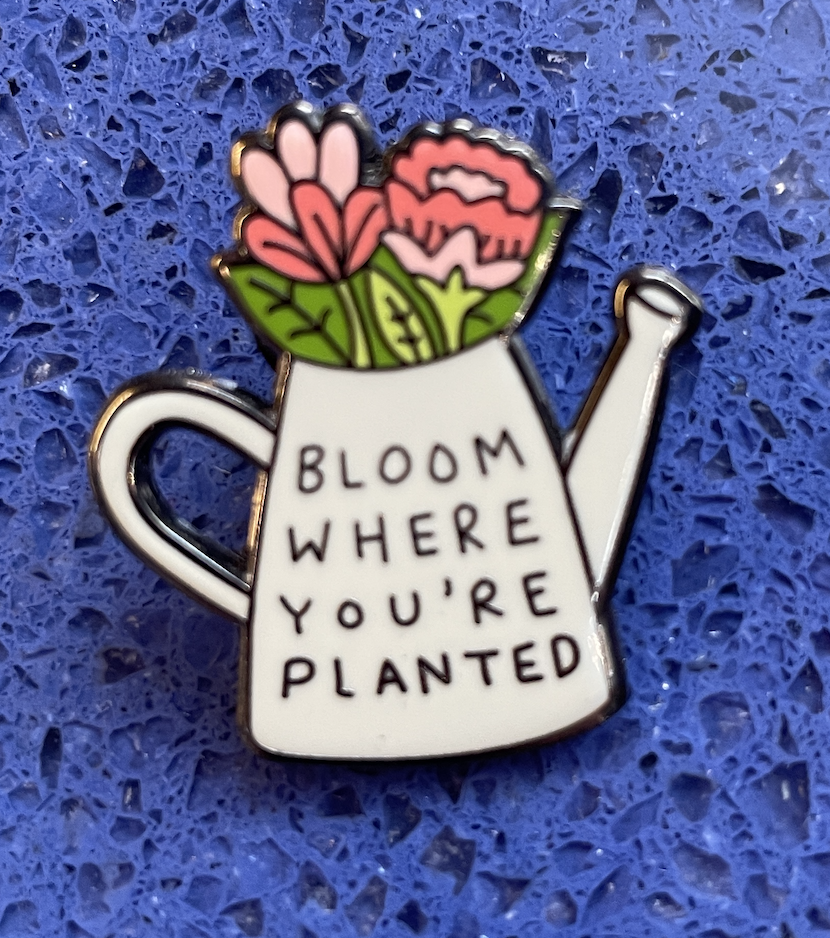
1. Bloom Where You’re Planted

Bloom where you’re planted encourages me to embrace the growth mindset anywhere, anytime. Every encounter, action, observation, experience, success, and failure are opportunities to learn, expand, and blossom.


2. Head & Heart

Navigating life’s hiccups and choices can be stressful. “Head & Heart” reminds me to use my cognitive and sensing gifts to support positive decisions and outcomes. While not included in this purple pin, my gut is another guiding element. When I listen, it leads me with a distinct “yes” or “no.”


3. Nourish

My Word of the Year is nourish. This essential encourages me to feed my heart, mind, and body so they feel nurtured, positive, and supported to thrive. My heart wants connection. My mind needs stimulation, and my body wants loving care.


4. You Are Here

While these words are often found to locate yourself on a map, to me, they embody presence. Especially when my mind is racing, and even when it’s not, this message prompts me to pause, notice, and ground myself with where I am, what I’m doing, what I’m feeling, and what I’m experiencing. When distracted, I use these words to gently bring me back, reset, and move on.


Fortify your Personal Positivity Bank by making regular deposits.
— Linda Samuels, CPO-CD®, CVOP™

5. Oy Vey!

Years ago, I gave my dad this blue “Oy Vey!” computer key. It became a favorite inside joke between us, and one of the many things that connected us was our shared sense of humor. This message reminds me that things in life have the potential to go sideways. However, my sense of humor can bring a brighter perspective and allow me to laugh at myself during difficult situations.


6. Radiate Positivity

According to the CliftonStrengths assessment, one of my top strengths is Positivity. Seeing the “Radiate Positivity” button helps me with several things:

  • It reminds me to continuously develop and live from my strengths.

  • My natural inclination towards positivity helps me be resilient and growth-oriented.

  • Positivity is ‘catching,’ so my mood can have an encouraging effect on others.


7. Exhale the Bullshit

This new pin has quickly become a favorite. We all experience life ‘stuff’ (aka difficult situations, conflicts, threats, bullshit). During those challenging encounters, you can experience emotional hijacking. Stress triggers are sent to the amygdala, the part of the brain responsible for emotional processing. Your automatic warning system goes on high alert, and your body wants to protect you. Your heart races, your palms sweat, your face flushes, and your breathing turns rapid or shallow.

“Exhale the Bullshit” reminds me to take a deep breath through my nose and a longer exhale through my mouth. Repeating that several times, I soothe my system, access the rational part of my brain, and am better equipped to respond calmly to the circumstance.

How does having positive visual reminders help and influence your day? What helpful messages are in your view? I’d love to hear your thoughts. I invite you to join the conversation.


How can I help?