
3 Simple Ways to Improve Your Motivation and Get Unstuck

Motivation isn’t always there before you start what you want to do. It might be, but more often it shows up after you begin taking action. The mind can play tricks on itself and psych you out. It dwells on reasons why you can’t start or reach your goal

When that happens, motivation disappears, progress is elusive, and you feel stuck. You’re at an impasse. You can remain in this limbo, negative state, or you can turn things around.

If you’re ready to change the dynamics, I have some ideas to help. There are many ways to get unstuck, boost your motivation, and act on what matters most. I compiled three approaches related to focus, fear, and perspective.


3 Simple Ways to Improve Your Motivation and Get Unstuck

1. Motivation and Focus

Focus on the seeds, not the trees. What seeds are you planting today?
— James Clear

A common reason for a lack of motivation is feeling overwhelmed. It’s important to understand your overall goal or objective. However, focusing too far in the future on what it will take to reach that goal can be demotivating.

Instead, narrow your focus and stay present. This will help boost motivation. Invest in small actions that support your larger goal. Keep your attention on the now and your next step, while remembering your ‘why’.

Eventually, the seeds you plant will grow into the trees you desire.

REMEMBER: “Focus on the seeds, not the trees. What seeds are you planting today?”James Clear


2. Motivation and Fear

Any next action.
— Linda Samuels, CPO-CD®, CVOP™

A few months ago, Kara Cutruzzula, a writer, playwright, lyricist, and friend, wrote a piece on Substack called “Hop to the other side of fear.” She shared how being unprepared and scared can get in the way of progress, yet these are fixable challenges.

In response, I commented that fear, indecision, and uncertainty can be paralyzing and demotivating. However, taking any next action can help break that cycle.

  • What fears are holding you back?

  • What decision are you struggling to make?

  • How can you get ready to take the next small step?

  • How is uncertainty preventing you from moving ahead?

Taking action holds undeniable power. It encourages further progress, boosts motivation, quiets fears, and helps you move forward.

REMEMBER: “Any next action.” Linda Samuels, CPO-CD®, CVOP™


3. Motivation and Perspective

Make your what-if questions positive, not negative.
— Todd Henry

Someone once suggested to me that it’s unhelpful to ask ‘what-if’ questions. Honestly, that has never prevented me from pondering them. How you phrase the ‘what-ifs’ is essential.

Especially when you’re feeling stuck and lacking motivation, it’s more helpful to reframe your ‘what if’ questions from an optimistic perspective.

Instead of dwelling on:

  • What if I never get my home organized?

  • What if I don’t complete this decluttering project?

  • What if I can’t change my unhelpful habits?

Instead try:

  • What if I make my home organized enough so that our family feels calmer and less stressed?

  • What if I finish this decluttering project so I can downsize to my new home?

  • What if I change my bad habits to feel healthier and more energetic?

‘What if’ questions can motivate and encourage action when they are framed to highlight positive outcomes.

REMEMBER: “Make your what-if questions positive, not negative.”Todd Henry


What Motivation Strategies Are Most Effective?

If “action precedes motivation,” as Julie Bestry, my friend and colleague, says, what helps you take that next step? Do you have motivational challenges? Which of these strategies resonates most with you?

I’d love to hear your thoughts. I invite you to join the conversation.


How Can I Help?

Do you need support with motivation, activation, or organization? I’d love to help! Virtual organizing is an extraordinary path forward – Local feel with a global reach.

Let’s talk. You can:

Organizing and sustaining motivation is possible, especially with support.


7 Powerful Motivation Quotes to Make You Feel Inspired When You Need a Boost

Motivation. Where is it when we need it? Where does it come from? You’ve probably experienced times when you felt highly motivated. On the other hand, you’ve likely gone through periods of low motivation.

There is a motivation spectrum, and it’s helpful to recognize that:

  • Motivation isn’t guaranteed.

  • Motivation needs to be cultivated.

  • Motivation goes through cycles.

  • Motivation thrives on clarity.

  • Motivation isn’t always instant.

  • Motivation responds to progress.

  • Motivation can be intrinsic, extrinsic, or a mix of both.

  • Motivation strengthens with purpose.

  • Motivation is restored by pauses.

  • Motivation can be reactivated.

  • Motivation flourishes with satisfaction.

  • Motivation grows through resilience.

Based on my personal experiences and working with my virtual organizing clients, I have identified five factors that most often disrupt motivation. They are:

  • Feeling overwhelmed.

  • Lacking clarity.

  • Being exhausted.

  • Having unrealistic expectations.

  • Not having support.

When you face a motivational challenge, use this list of quotes and ideas to help identify what you need at that moment.


7 Powerful Motivation Quotes to Feel Inspired When You Need It Most

1. Motivation needs to be cultivated.

You may experience a burst of energy, providing the motivation to get started. However, that’s not enough. Developing consistent habits encourages progress and increases motivation.

As Jim Ryan says, “Motivation is what gets you started. Habit is what keeps you going.”


2. Motivation thrives on clarity.

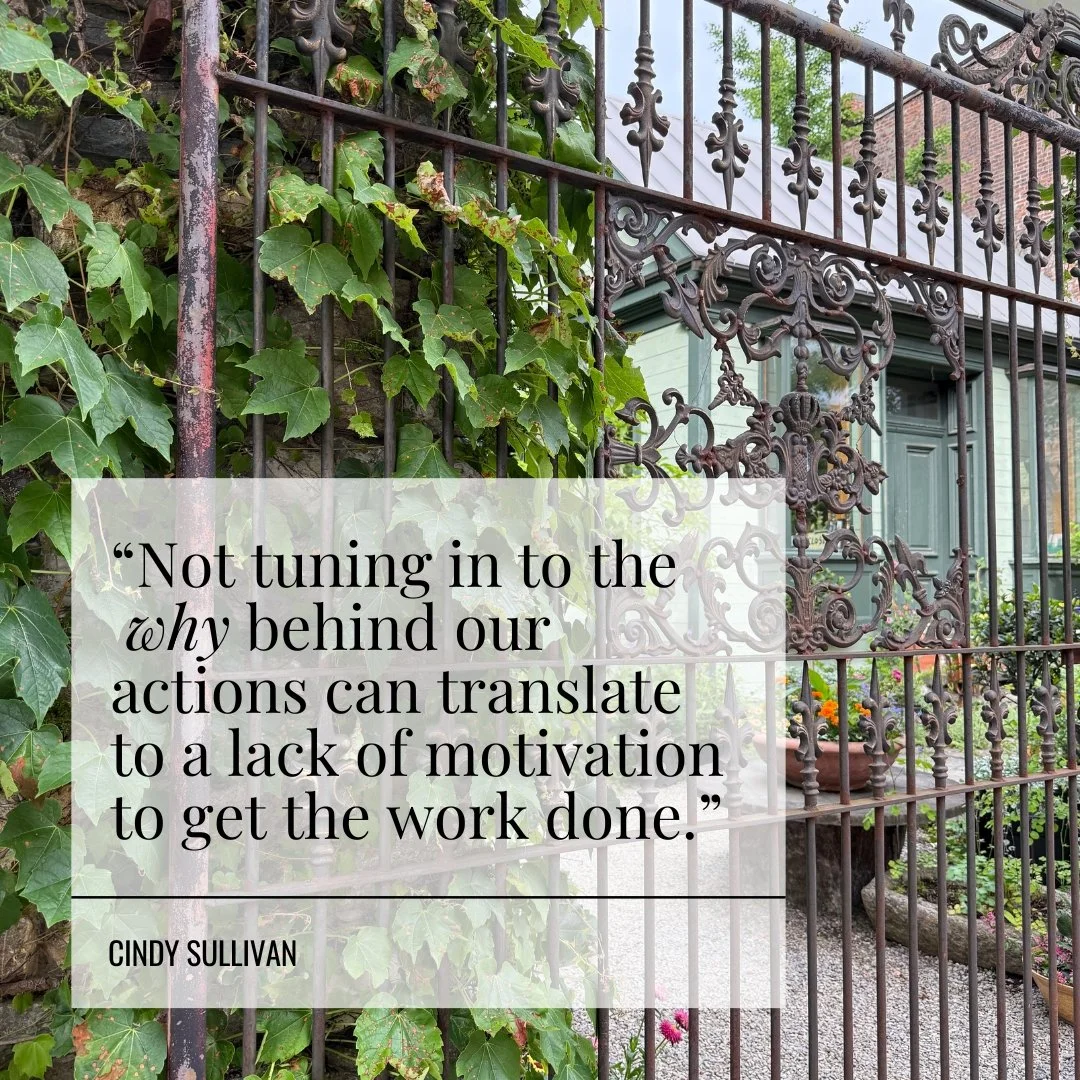
One of the most common motivational challenges is not being clear about the driver behind your actions. Without defining your ‘why,’ it becomes difficult to build and maintain motivation.

Cindy Sullivan says, “Not tuning in to the why behind our actions can translate to a lack of motivation to get the work done.”


3. Motivation responds to progress.

Don’t underestimate the power that making progress has on increasing your motivation. Redefine what progress means. It can include taking small steps, getting support, and acknowledging your wins.

Greg McKeown says, “Research has shown that all forms of human motivation, the most effective one is progress.”


4. Motivation strengthens with purpose.

Striving to reach a goal can be either motivating or de-motivating. If the goal is unreachable, you’ll probably feel less motivated. If your goal is right-sized, doable, purposeful, yet challenging, it will strengthen your motivation.

Ari Tuckman, PsyD, says, “Goals that feel impossible are de-motivating. Much better is a goal that may feel like a stretch, but is still possible – and actually worth the effort.”


Motivation responds to progress.
— Linda Samuels, CPO-CD®, CVOP™


5. Motivation can be reactivated.

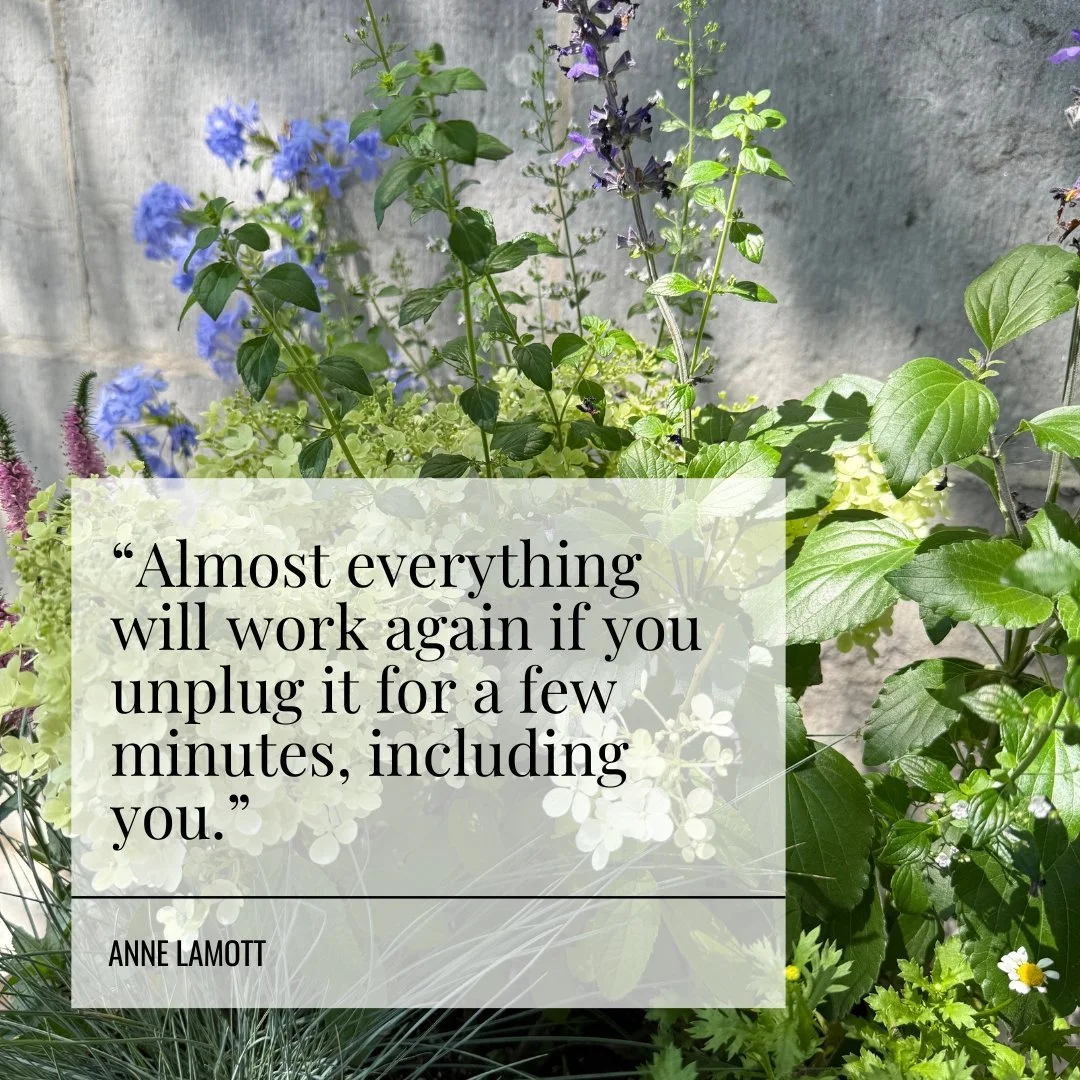
Exhaustion and overwhelm can derail motivation. The good news is that pausing and stepping away from your task to reenergize can reignite your motivation. Struggle no more. Is it time to take a quick break?

Anne Lamott says, “Almost everything will work again if you unplug it for a few minutes, including you.”


6. Motivation flourishes with satisfaction.

Have you considered how satisfaction influences motivation? There is joy and gratification in reaching your goals. This pursuit, along with the positive results you experience, nourishes your motivation.

Cassie Holmes, Ph.D., says, “Being a goal-driven species, we aren’t motivated merely by pleasure itself; we also gain pleasurable satisfaction from our accomplishments.”


7. Motivation grows through resilience.

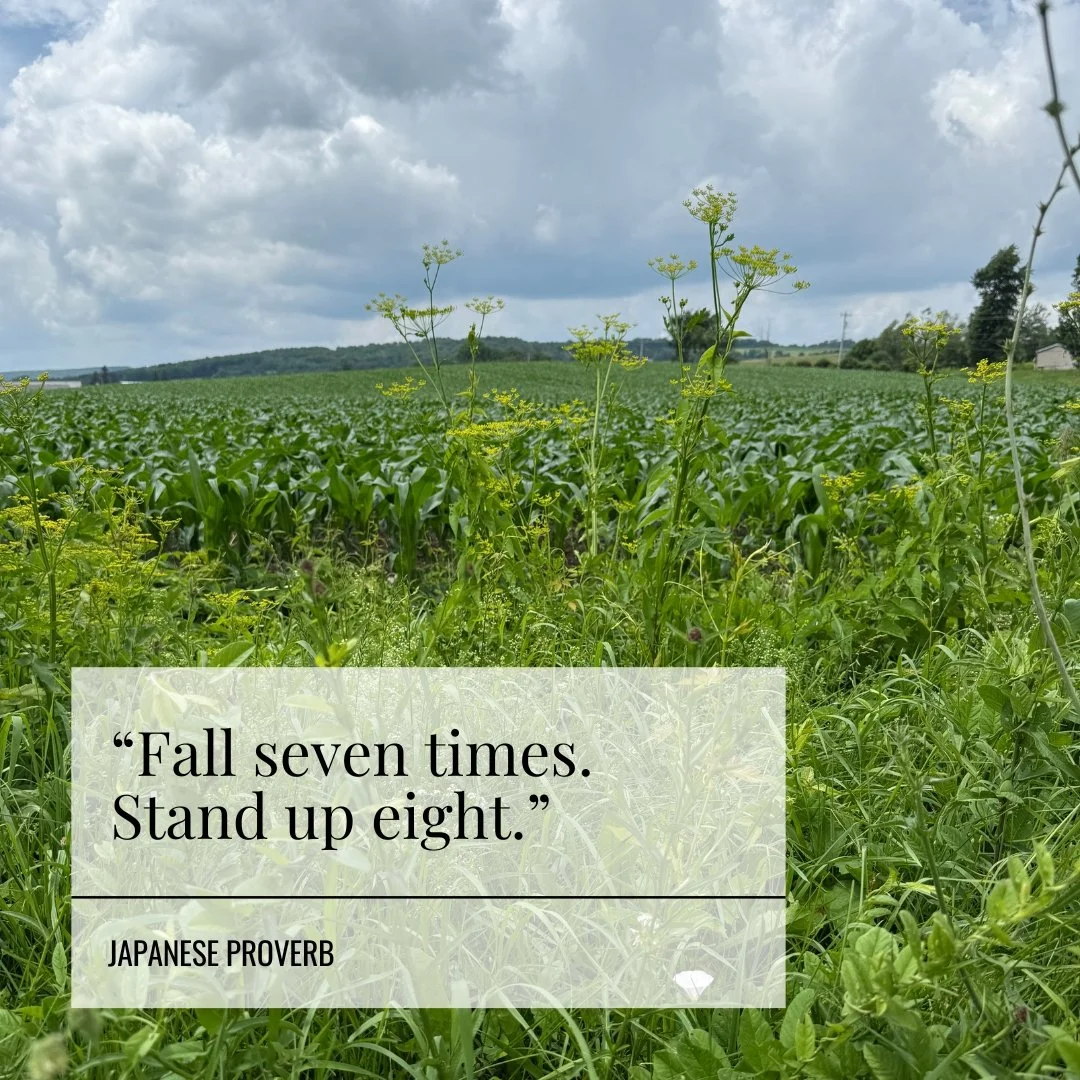
No journey or pursuit happens without challenges. There will be hiccups and obstacles along the way. Keep pushing forward despite setbacks. Your motivation will grow stronger because of your resilience.

Japanese proverb says, “Fall seven times. Stand up eight.”


Why Does Motivation Matter?

Motivation comes in many strengths, from low to high and everything in between. When your motivation is fully in gear, it can feel like you’re in a state of flow. Obstacles are non-existent or easily solved. However, when motivation is low, it feels more like you’re walking through molasses. Even taking a small step can feel impossible.

It’s helpful to understand and develop motivation strategies. What inspires you most when your motivation is low? Which idea or quote resonates most with you?

I’d love to hear your thoughts. I invite you to join the conversation.


How Can I Help?

Do you need support with motivation, activation, or organization? I’d love to help! Virtual organizing is an extraordinary path forward – Local feel with a global reach.

Let’s talk. You can:

Organizing and sustaining motivation is possible, especially with support.


How to Get Motivated, Excited, & Take Action When You Don’t Feel Like It

Have you ever struggled to get motivated and take action? Many of my virtual organizing clients have encountered periods of low motivation and activation. It’s a common human experience to have lulls.

Reduced motivation can happen for many reasons, including:

  • Feeling overwhelmed by the enormity of what you want to accomplish.

  • Being uncertain about what to do next.

  • Desiring rest rather than active engagement.

  • Feeling sad or depressed.

  • Resenting the project you need to work on.

  • Being unclear about your why.

  • Wanting to play instead of working on a project.


The Backstory

Sunday is usually the day I write and post my blog. After almost a week of summer vacation fun, I found it hard to get motivated to write. While I planned to write, I struggled to get started.

However, despite feeling unmotivated today, I managed to turn things around. I’ll share the strategies I used to boost my motivation and get going. The next time you’re stuck, I hope one of these ideas helps you.

The irony isn’t lost on me that I was struggling with motivation, and it’s also the topic I’ll be writing about all month.


Four Ways to Get Motivated and Take Action When You Don’t Feel Like It

1. Move the Body

After a week of joyfully kayaking, exploring, and walking, the thought of sitting at my desk for hours to write wasn’t appealing. I wanted to be more physically active.

Instead of writing immediately, my husband and I took a walk along the Hudson River before it got too hot. Well, that was the idea at least. Even though we got outside early, it was already pretty warm. We walked, but shortened our route.

Moving my body first made me feel motivated and less restless about sitting inside to write.


2. Clear the Noise

Especially after being off for a while, some life management things needed my attention. Could they have waited a day or so? Yes. However, the mind clutter they caused made it hard for me to focus on anything else.

It was worth taking the one or two hours to handle those things, so that my thoughts would be clearer to write this post.

Cluttered thoughts or spaces can negatively impact motivation. Doing a simple clearing is significant enough to increase motivation for the task or project you are avoiding.  

Doing a simple clearing is significant enough to increase motivation for the task or project you are avoiding
— Linda Samuels, CPO-CD®, CVOP™

 3. Set the Stage

When I write, I like to have a hot or cold beverage to sip on. Preparing and keeping it nearby signals that it’s time for me to work. After setting up my drink, I take several additional steps to cue myself to write. These include:

  • Create a new blank Word document.

  • Choose the exact topic. These are either from materials in my blog ideas binder or current thoughts that are on my mind.

  • Write the title.

  • Add the title to my Blog Plan document.

Once those elements are in place, I’m ready to start writing. No more procrastinating, questioning whether I need to write, or searching for motivation. Just setting up initiates the process.


4. Find the Joy

As I mentioned, part of setting up involves choosing a specific topic I will write about. I reviewed my blog ideas and found something that could work. I wasn’t excited, but I thought it would be a helpful concept to explore.

Then, just before I committed to that plan, I had another idea. What if I shared my experience of lacking motivation instead? I jotted down a few ideas, including the Find the Joy part.

What is the joy part? This is about identifying the element that makes you happy to work on the project you’re doing. The joy factor you include becomes one of the motivating elements.

For me, this meant capturing happy memories of our vacation by making a video, which I included below.


How to Get Motivated?

Motivation isn’t something that is present 100% of the time. Experiencing a dip in motivation is a normal part of life. When you want to take action, yet feel stuck, there are many ways to move forward. What helps you boost your motivation in these situations? Which ideas resonate with you?

I’d love to hear your thoughts. I invite you to join the conversation.


How Can I Help?

Do you need support with organizing, getting motivated, or activating? I’d love to help! Virtual organizing is an extraordinary path forward – Local feel with a global reach.

Let’s talk. You can:

Organizing and sustaining motivation is possible, especially with support.
 
 
3 Inspiring Time Questions That Will Help You Make Thoughtful Choices

The decisions you make relate to different points in time: the past, present, and future. Although you may not always view your choices this way, considering these time parameters can help reduce decision fatigue and create clarity surrounding decision-making.

Making thoughtful decisions can be challenging. Some common decision-making obstacles include:

  • Having too many choices

  • Lacking clarity

  • Feeling rushed

  • Asking unhelpful questions

  • Deciding when you’re exhausted

  • Being afraid to make the wrong choice

Any of these challenges can cause overwhelm, procrastination, or paralysis. However, when you ask questions based on time, it can cut through the noise, clarify your options, and motivate action.


1. Question to Let Go of the Past

What’s weighing down your backpack that needs to be released?
— James Clear

In a recent edition of James Clear’s 3-2-1 newsletter, he explained how “unfinished tasks” carried in your “invisible backpack” weigh you down. Many of these tasks are ones you will think you “should do,” but will probably never get around to.

Clear suggests two strategies. To “lighten the load: finish the task or let it go.” Applying a past timeframe to your decision about completing or releasing a task can help.

Consider these questions:

  • How long have you been worrying about and carrying these tasks with you?

  • Are past goals or commitments holding you back?

  • Which ones are no longer relevant, important, or necessary?


2. Question to Improve the Present

What small change could you make to your surroundings that would steer you toward good habits and away from distractions?
— James Clear

In another 3-2-1 newsletter, Clear encourages making tiny tweaks to your environment to support building better habits and reducing distractions. Only you know which habits you want to strengthen and which distractions are getting in your way.

Using the present timeframe idea to make proactive choices can be effective here. To do this, think about a current habit you want to build or improve. For example, let’s say you often run late to appointments. This is a source of stress for you and the people in your life. You want to be more punctual, yet find it challenging to get out of the house on time. Let’s say chronic lateness is caused by disorganization at home or your tendency to hyperfocus, which interrupts your sense of time.

Making a slight change in your environment to mitigate distractions and support a better habit could include things like:

  • Gather everything you need the night before

  • Wake up earlier to prepare

  • Use labeled timers to help with transitions and activation


3. Question to Imagine the Future

What will my future-self thank me for doing now?
— Stephanie Sarkis, PhD

In Ari Tuckman’s book The ADHD Productivity Manual, he shares one of his favorite questions posed by Stephanie Sarkis, PhD. She asks, “What will my future-self thank me for doing now?”

Let’s apply the future timeframe lens to this inquiry. While the question asks you to do something in the present, it’s in service of your future self.

Think about a goal you want to achieve. Maybe it’s organizing your legal and end-of-life papers, downsizing, or eating healthier. None of these will be realized in the future without taking action now.

Embrace the future construct. Visualize what ‘done’ will look and feel like. This will motivate you now to take action and accomplish the future results you desire.


How to Make More Thoughtful Choices?

Making wise decisions begins with asking good questions. Including a time perspective can clarify your choices. Do you consider the past, present, and future when making decisions? How does using a time construct affect you?

I’d love to hear your thoughts. I invite you to join the conversation.


How Can I Help?

Do you need support with organizing, letting go, or managing your time? I’d love to help! Virtual organizing is an extraordinary path forward – Local feel with a global reach.

Let’s talk. You can:

Organizing your time and space is possible, especially with support.